

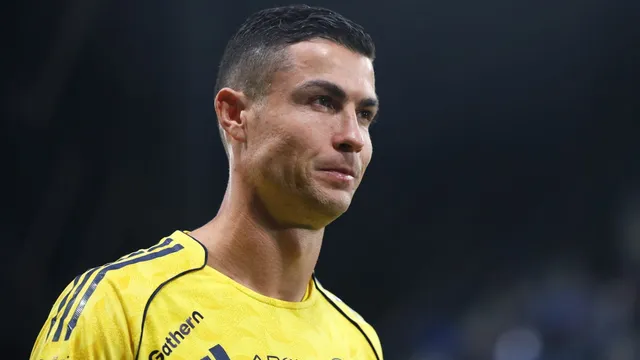
Cristiano Ronaldo protests over unfair treatment at Al Nassr
Cristiano Ronaldo protests over unfair treatment at Al Nassr
- Cristiano Ronaldo sat out of Al Nassr's match against Al-Riyadh due to concerns over the club's management.
- He is unhappy with the financial backing Al Nassr is receiving compared to rival clubs owned by PIF.
- Ronaldo's actions have sparked discussions about the impact of player discontent on club performance and public perception.
Story
In early February 2026, Cristiano Ronaldo, the Portuguese football star, went on strike at Al Nassr, where he is highly compensated, earning around £500,000 a day. This action included his absence from a crucial match against Al-Riyadh, which Al Nassr won 1-0, highlighting Ronaldo's discontent with the club's management and transfer activity during the January transfer window. Ronaldo expressed frustration over perceived preferential treatment given to rival clubs such as Al Hilal, Al Ahli, and Al Ittihad, which are also owned by the Saudi Public Investment Fund (PIF). He was particularly upset that Al Hilal had successfully signed high-profile players while Al Nassr's only addition was a young centre-back. Ronaldo's strike has raised concerns among Saudi Arabian football officials, who are losing patience with his protest as it affects the image of the Saudi Pro League. Despite his grievances, Ronaldo is still training with his team and remains focused on playing in the upcoming matches while pursuing his goal of breaking the 1,000-goal barrier. The situation has drawn significant attention due to Ronaldo's star status and his crucial role in Al Nassr's success, making the resolution of this matter vital for both parties as they aim for league success amidst a tense competition at the top of the table.
Context
The report examines the preferential treatment afforded to football clubs associated with the Saudi Public Investment Fund (PIF), analyzing its implications within the global football ecosystem. The PIF has made substantial investments in several high-profile clubs, most notably through acquisitions and sponsorship deals. This financial influence raises concerns regarding the balance of competitive equity in the sport, as the influx of capital can lead to financial imbalances, enabling these clubs to outbid competitors for top talent and resources, thus altering the landscape of domestic and international competitions. Critics argue that the financial power held by PIF-backed clubs could undermine traditional governance structures within football. With significant resources at their disposal, these clubs may prioritize a winning-at-all-costs mentality, which can jeopardize the integrity of competitions. The ability to lure renowned players and coaches with lucrative contracts might also create a tiered system where smaller clubs struggle to compete. The discussions around financial fair play regulations come to the forefront as stakeholders debate whether existing rules are adequate to address the disparities created by such financial influxes. On a broader scope, the involvement of the Saudi PIF in football beyond national borders reflects a strategy to enhance the nation's global footprint and soft power. By putting substantial resources into the sport, Saudi Arabia seeks to position itself as a pivotal player in the global sports arena, promoting its cultural and economic interests. Consequently, the globalization of football intertwines with international relations, where investments may serve a dual purpose of fostering sports development while also improving the country’s image internationally. In conclusion, while the Saudi Public Investment Fund's engagement in football presents opportunities for growth and development within the sport, it also raises important questions about fairness and equity. As clubs associated with PIF continue to shape football dynamics, the dialogue surrounding financial regulations and ethical considerations remains critical. A collective approach among governing bodies, stakeholders, and fans is necessary to safeguard the sport's integrity while accommodating legitimate investments that could contribute to the enrichment of the football landscape.


