
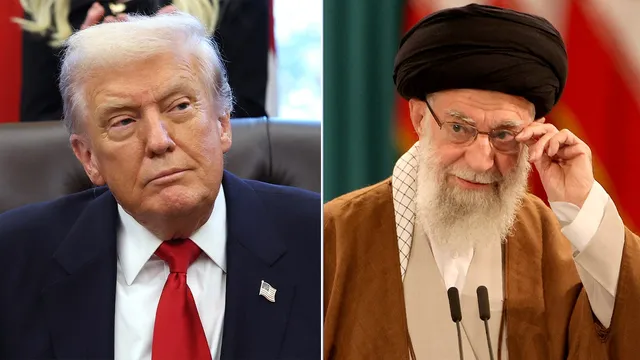
Iran and US proceed with key nuclear talks in Oman amid rising tensions
- On February 6, 2026, Iran and the United States will hold crucial negotiations in Muscat over Iran's nuclear program.
- The talks come amidst rising tensions and military threats, with Iran proposing a bilateral discussion while the U.S. seeks to include broader topics such as missile capabilities.
- The outcome of the discussions is critical, as failure could escalate regional conflicts, whereas success may ease tensions and lead to a resolution.
Story
On February 6, 2026, high-stakes negotiations are set to take place in Muscat, Oman, between Iran and the United States focusing on Tehran's nuclear program. This follows a backdrop of escalated tensions involving military threats and diplomatic disagreements over the format and agenda of the talks. The negotiations are seen as critical in addressing accusations regarding Iran's missile arsenal and its role in regional unrest. Just days prior, U.S. Secretary of State Marco Rubio highlighted the need to include a broader range of topics beyond just the nuclear issue, reflecting a complex diplomatic landscape. The decision to relocate the discussions from Turkey to Oman was influenced by Iran's request for a bilateral meeting format, which excludes the participation of regional allies. This has been a pivotal moment for both nations, with Iran insisting that only its nuclear program will be on the table. The U.S., however, emphasizes that discussions must encompass Iran's missile capabilities and its support for regional proxies, which complicates the negotiating process. The talks aim to ease escalating tensions that could lead to military confrontation, particularly against the backdrop of increased U.S. military presence in the Middle East and fears of potential conflict. Trump's administration, which originally withdrew from the nuclear accord in 2018, has maintained pressure on Iran to comply with stricter terms, further complicating the negotiations. As the global community watches closely, the outcome of these talks could either pave the way for a diplomatic resolution or escalate into a more adversarial stance. With the stakes being remarkably high, both sides need to find common ground amidst their longstanding distrust and the against-the-clock nature of political pressures. The growing public discontent inside Iran, exacerbated by economic hardships due to sanctions, adds another layer of urgency. There is significant concern that the Iranian leadership may feel compelled to respond aggressively to domestic pressures if the situation does not improve. This delicate diplomatic effort comes at a time when international observers are acutely aware of the ramifications of failure, which could lead to a regional war that many nations are trying to avoid. The key meeting in Oman represents a last chance for a peaceful resolution amidst a precarious political atmosphere.
