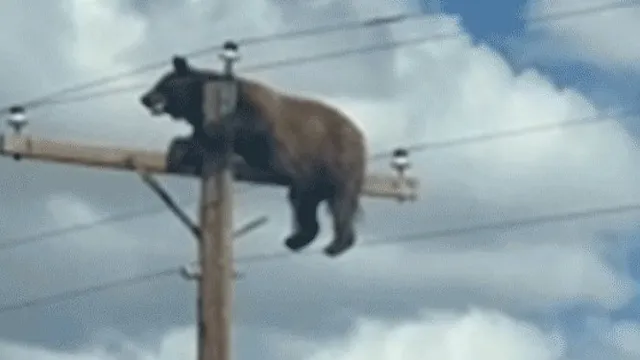
Urban development has a profound impact on wildlife habitats, leading to significant ecological changes and challenges for various species. As cities expand, natural landscapes are often transformed into urban environments, resulting in habitat fragmentation, loss of biodiversity, and altered ecosystems. The encroachment of urban areas into wildlife habitats disrupts the natural behaviors of animals, including their breeding, feeding, and migration patterns. This disruption can lead to a decline in wildlife populations, as many species struggle to adapt to the rapid changes in their environment. Furthermore, the introduction of artificial structures and pollutants can create additional stressors for wildlife, further exacerbating the challenges they face in urbanized areas.
One of the most critical consequences of urban development is habitat fragmentation, which occurs when large habitats are divided into smaller, isolated patches. This fragmentation can prevent species from accessing essential resources, such as food and shelter, and can hinder genetic exchange between populations. As a result, isolated populations may become more vulnerable to extinction due to inbreeding and reduced genetic diversity. Additionally, urban areas often serve as barriers to wildlife movement, making it difficult for animals to migrate in search of suitable habitats or to find mates. This can lead to increased mortality rates and a decline in overall population health.
Moreover, urban development often leads to the introduction of invasive species, which can outcompete native wildlife for resources and disrupt local ecosystems. Invasive species can thrive in urban environments due to the availability of resources and the absence of natural predators. This can result in a decline in native species populations, further diminishing biodiversity. The alteration of natural landscapes also affects the availability of food sources for wildlife, as urbanization often leads to the removal of native vegetation and the introduction of non-native plants that do not provide the same ecological benefits.
To mitigate the impact of urban development on wildlife habitats, it is essential to implement sustainable planning practices that prioritize the preservation of natural ecosystems. This includes creating green spaces, wildlife corridors, and protected areas within urban environments to facilitate wildlife movement and support biodiversity. Additionally, public awareness and education about the importance of wildlife conservation can foster a sense of responsibility among urban residents, encouraging them to participate in efforts to protect local habitats. By integrating wildlife conservation into urban planning, we can create more harmonious coexistence between urban development and wildlife, ensuring the survival of diverse species in an ever-changing world.