

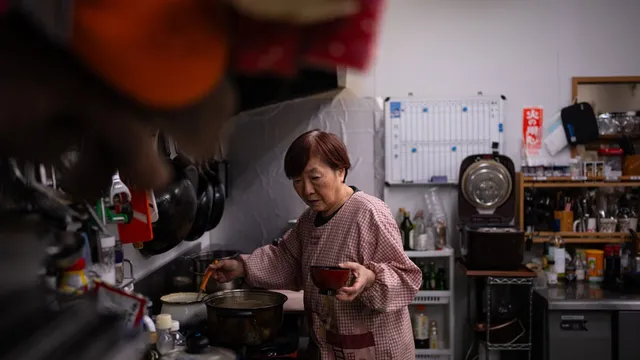
Elderly innkeeper strives to rebuild her hometown in Fukushima
Elderly innkeeper strives to rebuild her hometown in Fukushima
- Japan commemorates the 15th anniversary of the 2011 earthquake, tsunami, and nuclear disaster, which caused significant human and infrastructural losses.
- Tomoko Kobayashi is actively engaged in efforts to revitalize her nearly deserted hometown in Fukushima, emphasizing the need for community renewal.
- The government's push for nuclear energy raises concerns among residents about safety and recovery from the past disaster.
Story
On March 11, 2026, Japan marked the 15th anniversary of the catastrophic earthquake, tsunami, and nuclear disaster that struck its northeastern coast in 2011. The magnitude 9.0 earthquake and subsequent tsunami led to over 22,000 fatalities and forced nearly half a million individuals, many due to tsunami damage, to evacuate their homes. A significant portion of the displaced population originated from Fukushima, where radiation leaks from the Fukushima Daiichi nuclear power plant prompted mass evacuations. Approximately 160,000 people fled due to fears surrounding radiation, and about 26,000 remain in resettled areas or are unable to return home because of ongoing radiation concerns and damaged hometowns. Fifteen years later, efforts are underway to rebuild and revitalize communities affected by the disaster. Tomoko Kobayashi, an elderly innkeeper in northeastern Fukushima, plays a pivotal role in this renewal. Although her hometown has seen some recovery, it remains largely undeveloped. Kobayashi reflects on the significant loss of community and laments the closure of local institutions, including a kindergarten that transformed into a museum, due to a critical reduction in the child population. Her commitment to restoring the town aligns with her belief in fostering new growth and opportunities to create a livelier environment once more. In the wider context, the Japanese government commemorated the anniversary with a pledge from Prime Minister Sanae Takaichi to expedite recovery efforts in Fukushima and strengthen the use of nuclear power as an energy source. The ongoing narrative has been contentious, particularly given the conflicting views around public safety concerning nuclear energy and the memory of the disaster’s devastation. As Takaichi emphasizes the lessons learned from the events of 2011, pressure is mounting on communities and individual proponents like Kobayashi to remain silent about their concerns regarding safety, radiation, and the pace of recovery. The government faces obstacles in effectively handling the remnants of the disaster, particularly concerning the Fukushima Daiichi plant, which experienced several reactor meltdowns and contains an estimated 880 tons of melted fuel debris. While repair efforts are gradually progressing, with reactor buildings being encapsulated to allow for safer access and cleanup, the timeline for complete remediation remains uncertain, projected to extend until at least 2037. Community groups, including Kobayashi and her peers, gather regularly to monitor radiation levels, emphasizing the importance of documenting real-time data despite not being professional scientists or researchers. Their grassroots work serves as a crucial counterbalance to government assertions about safety and the management of nuclear energy in the region.


