

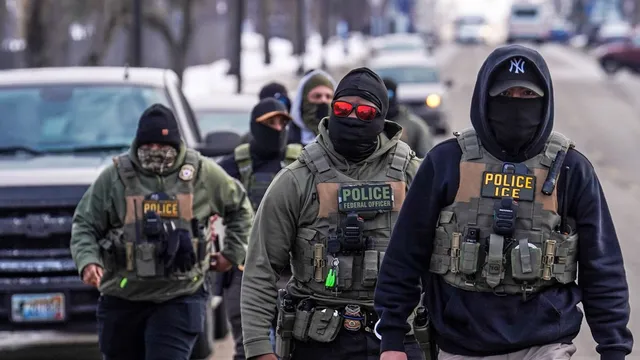
DHS faces accusations of failing ICE officer training standards
DHS faces accusations of failing ICE officer training standards
- Ryan Schwank raised serious concerns about the adequacy of ICE's training program for new deportation officers.
- DHS responded by asserting that their training for officers remains among the best, despite the allegations.
- The debate over ICE training standards highlights the urgent need for reform and oversight to ensure constitutional rights are upheld.
Story
In the United States, a former U.S. Immigration and Customs Enforcement lawyer, Ryan Schwank, publicly criticized the agency's training program for new deportation officers during a congressional hearing on February 13, 2023. Schwank called the program 'deficient, defective, and broken,' raising alarms over the moral and legal implications of deploying inadequately trained officers for deportation tasks. He documented changes in training procedures, highlighting that new recruits supposedly received significantly less training—nearly 250 hours fewer than previous cohorts. During the forum, claims emerged that the Department of Homeland Security was effectively lying about the robustness of its training, calling into question the use of force standards required by law for ICE operations. This hearing was among a series organized by Senator Richard Blumenthal and Representative Robert Garcia aimed at scrutinizing how ICE prepares its officers and the behavior of those who engage with communities. Schwank’s testimony pointed to critical issues, including the cessation of legal instruction on force use and the elimination of practical exams that assess an officer's capability to perform their job safely and lawfully, such as the controversial training on the use of force simulation. Furthermore, evidence was brought to light that demonstrated officers ended their training without adequate exposure to necessary legal standards, directly connected to numerous incidents involving excessive use of force by ICE officers. The stated training improvements from DHS, including the supposed integration of technological advances and educational methods, have been challenged by those who argue that these changes compromise the program’s integrity. With such accusations emerging, it prompts a larger debate about the accountability of ICE and the standards upheld in their law enforcement practices, especially in the context of rising public concerns about immigration policies and the rights of individuals affected by these operations. As a result, lawmakers are becoming increasingly vocal about the need for reform and transparency in training programs, questioning not only the adequacy of existing practices but also the ethical implications of ICE’s enforcement actions in communities where undocumented individuals reside. In light of Schwank's testimony and accompanying documents revealing significant cuts to training, representatives continue to investigate the readiness of new officers who could come into contact with vulnerable populations.


