

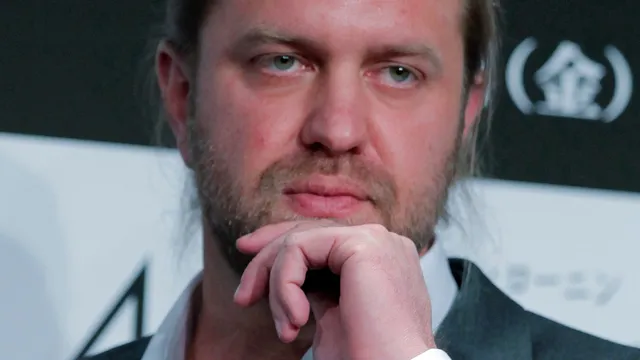
Hollywood director scam artist convicted of defrauding Netflix
Hollywood director scam artist convicted of defrauding Netflix
- Carl Erik Rinsch was convicted for misappropriating $11 million meant for a Netflix show.
- He used the funds for extravagant personal expenses instead of production.
- This case highlights serious legal issues regarding funding in the entertainment industry.
Story
In the United States, Carl Erik Rinsch, a Hollywood director known for his work on the film '47 Ronin', was convicted of defrauding Netflix out of $11 million. The incident began when Netflix initially funded Rinsch’s project, a sci-fi series called 'White Horse' (later renamed 'Conquest'), with approximately $44 million. After claiming he needed additional funds to complete the production, Netflix sent an extra $11 million in 2020. Prosecutors revealed that Rinsch diverted these funds into his personal account for extravagant purchases rather than completing the project. Instead of fulfilling his commitment to deliver the series, Rinsch utilized the money for personal gain, making investments that ultimately failed and leading to significant losses. He bought five Rolls-Royces, a Ferrari, expensive watches, luxury bedding, and even repaid about $1.8 million in credit card debt, all while living in five-star hotels in California and Spain. Court filings indicated that Rinsch bought items that he claimed were essential for the show, but an arbitrator later determined that these purchases were not necessary for production. Throughout the trial, Rinsch argued his perspective on the funding, suggesting that it served as backend pay for his prior expenditures on the show; however, testimonies from former Netflix executives confirmed that they had only agreed to produce one season and the additional money was specifically allocated for finishing the episodes of that season. After the project was deemed indefinitely delayed, Netflix eventually canceled the development and wrote off $55 million, including the initial investment and the additional funding. Following a thorough investigation, Rinsch was found guilty on multiple charges, including wire fraud and money laundering, with the potential for a prison sentence of up to 90 years, although it is anticipated that the actual sentence may be shorter. Rinsch's legal team expressed their discontent with the outcome, stating concerns about the implications for creative professionals entangled in contractual disputes with major entities. His sentencing is set to occur on April 17, 2026, leaving a stark reminder of the legal ramifications stemming from mismanagement of contractual funds in the entertainment industry.
Context
The entertainment industry has long been a subject of fascination and intrigue, often embellished by the charm of Hollywood. However, beneath the glamorous facade, numerous cases of fraud and deception have arisen, leading to significant legal repercussions for various individuals involved in the film and television sectors. Convictions involving fraud in Hollywood can reflect a complex interplay of greed, desperation, and the innate pressures of a highly competitive environment. High-profile cases have often made headlines, exposing not only the perpetrators but also the vulnerabilities within the industry that allow such fraudulent activities to thrive. One notorious example was the case of producer Andrew Young, who was implicated in a multi-million dollar bank fraud scheme that involved falsifying financial documents to secure loans for nonexistent productions. This case highlighted the lengths some would go to achieve success and the deceptive practices employed to mislead investors. In a similar vein, the 2018 case involving a Hollywood talent agent, who was found guilty of embezzling funds from clients, demonstrated how trust could be exploited for personal gain. These cases illustrate the potential for corruption in an industry that highly values reputation and appearance, ultimately leading to convictions that serve as warnings to others. Moreover, the impact of technology and social media in recent years cannot be underestimated in how fraud manifests in Hollywood. With the rise of crowdfunding and digital platforms, there have been numerous instances of individuals misusing these resources, purportedly to finance films or projects that never materialize. The 2020 conviction of a filmmaker who misappropriated over $1 million from backers for a non-existent documentary serves as a pertinent reminder of the vigilance required to protect investors and the integrity of the industry. Increasing awareness and scrutiny have led to a greater push for transparency and accountability in all aspects of production financing. In response to these challenges, industry professionals and regulatory authorities must foster a culture of ethical responsibility and vigilance to combat fraud. This includes better oversight of financial dealings and educational initiatives aimed at helping individuals navigate the complex landscape of film financing. By reinforcing ethical standards and implementing robust checks and balances, Hollywood can not only protect its stakeholders but also preserve its reputation as a leading force in global entertainment. The ongoing discourse around fraud in Hollywood ultimately encourages a more transparent and trustworthy environment, which is essential for the long-term health of the industry.


