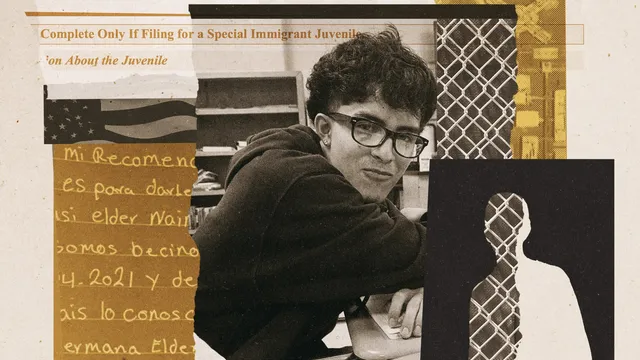
ICE arrests surge as deportations of immigrant children triple under Trump
politics
controversial
impactful

ICE arrests surge as deportations of immigrant children triple under Trump

20
(Update: )
president of the United States from 2017 to 2021
country primarily in North America
  • The Trump administration has significantly increased immigration enforcement, particularly affecting minors.
  • ICE arrested over 10,000 individuals in late June, nearly doubling the previous arrest rate.
  • The rapid pace of deportation orders is causing fear and uncertainty among immigrant families.
Share opinion
2

Story

In the United States, immigration enforcement has intensified significantly under the Trump administration, particularly affecting immigrant minors. A ProPublica analysis revealed that the deportation rates for children who entered the U.S. alone have tripled compared to the final years of the previous Trump presidency. This alarming trend has raised concerns among advocates and legal representatives, who note that deportation orders are being issued rapidly, often leaving minors and their families in a state of fear and uncertainty. Many of these children, who had previously been granted Special Immigrant Juvenile Status, are now facing the threat of removal from the country. The situation has been exacerbated by a recent surge in arrests by Immigration and Customs Enforcement (ICE), which apprehended over 10,000 individuals in just five days at the end of June. This figure is nearly double the previous pace of arrests, indicating a significant escalation in enforcement actions. Advocates argue that these policies are retraumatizing vulnerable children, contradicting the administration's claims of prioritizing their welfare. Legal representatives are struggling to keep up with the rapid pace of deportation orders, which complicates their ability to assist clients in navigating the immigration system. The impact of these policies is profound, as many minors are being detained in facilities that have faced criticism for poor conditions. Reports of overcrowding, outbreaks of diseases, and even deaths in detention centers have raised alarms about the treatment of these young individuals. The fear of deportation looms large over many immigrant families, with children expressing concerns about never seeing their families again if they are removed from the U.S. This climate of fear is compounded by the fact that many minors are being held for extended periods, often without clear communication about their legal status or options for relief. As the Trump administration continues to enforce strict immigration policies, the consequences for immigrant minors and their families are becoming increasingly severe. The legal landscape for these individuals is fraught with challenges, as they face expedited deportation processes and limited access to legal resources. The situation calls for urgent attention and action from policymakers and advocates to protect the rights and well-being of vulnerable immigrant children in the United States.

Context

The impact of ICE arrests on immigrant minors is a critical issue that has garnered significant attention in recent years. The enforcement actions taken by U.S. Immigration and Customs Enforcement (ICE) have profound implications for the well-being and stability of immigrant families, particularly those with children. When a parent or guardian is arrested, it can lead to immediate and severe disruptions in the lives of minors, including emotional distress, loss of parental support, and potential placement in foster care. The trauma experienced by these children can have long-lasting effects on their mental health and development, as they navigate the uncertainty of their family situation and the fear of separation from their loved ones. Furthermore, the fear of ICE raids can create a chilling effect within immigrant communities, leading to decreased access to essential services such as healthcare, education, and legal assistance, which are vital for the well-being of minors. Research indicates that children who experience parental detention or deportation are at a higher risk of experiencing anxiety, depression, and behavioral issues. The stress associated with the sudden absence of a parent can lead to significant disruptions in a child's daily life, including difficulties in school and social interactions. Additionally, the stigma associated with being an immigrant can exacerbate feelings of isolation and fear among these children, further impacting their emotional and psychological health. It is essential to recognize that the consequences of ICE arrests extend beyond the individual being detained; they ripple through families and communities, affecting the overall stability and safety of immigrant minors. Moreover, the legal framework surrounding immigration enforcement often fails to adequately protect the rights and welfare of children. While there are policies in place intended to safeguard minors during immigration proceedings, the reality is that many children are left vulnerable in the face of aggressive enforcement actions. The lack of legal representation and support for these minors can lead to unjust outcomes, including prolonged separation from their families and inadequate consideration of their best interests. Advocacy groups have called for reforms to ensure that the rights of immigrant children are prioritized in immigration enforcement policies, emphasizing the need for a more humane approach that considers the unique vulnerabilities of minors. In conclusion, the impact of ICE arrests on immigrant minors is a multifaceted issue that requires urgent attention and action. The emotional and psychological toll on children, coupled with the systemic challenges they face within the immigration system, underscores the need for comprehensive policy reforms that prioritize the well-being of families and children. By addressing these issues, we can work towards a more just and equitable immigration system that recognizes the inherent dignity and rights of all individuals, particularly the most vulnerable among us.