

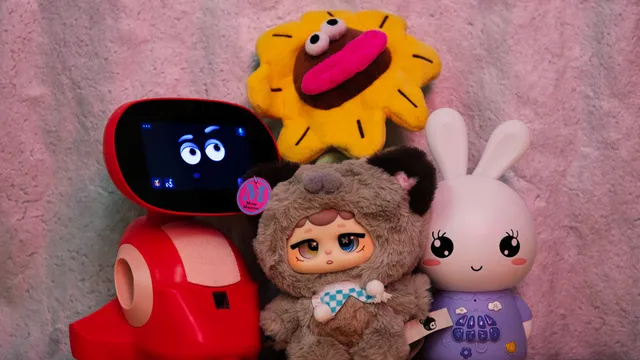
Toy companies exploit AI without proper safety measures for children
Toy companies exploit AI without proper safety measures for children
- Many toy companies claim to use advanced AI models without the proper vetting regarding age restrictions.
- The U.S. PIRG report reveals violations of major tech companies' terms of service in the marketing of AI toys for children.
- The growing trend of AI integration into children's products poses serious safety concerns that need immediate attention.
Story
In the United States, concerns have arisen regarding the use of powerful chatbots in toys marketed for children. A report from the U.S. Public Interest Research Group Education Fund (PIRG) reveals that many toy companies are claiming to utilize AI models from major tech firms such as OpenAI and Google, despite age restrictions set by these companies. These restrictions prohibit minors from engaging directly with chatbots, yet developers appear to navigate around these guidelines by offering products designed for children without substantial oversight. The PIRG investigation discovered over 20 toys claiming to use OpenAI’s technology and five linked to Google, raising alarm over possible violations of Google’s terms of service, particularly as some toys marketed for kids misrepresented their affiliation or capabilities with AI models. The report emphasizes that the AI industry's leniency towards third-party developers has created a concerning loophole, endangering minors who interact with these AI-powered toys. Furthermore, representatives from OpenAI and Anthropic reiterated their policies regarding minors, asserting that users must adhere to age-appropriate guidelines. The situation has ignited a debate on the adequacy of companies' safety measures for products aimed at younger demographics, with advocates urging stricter scrutiny before permits are issued to developers. The risks associated with children using these chatbots have prompted some experts to caution against the increasing trend of merging AI with children's entertainment. There are ongoing discussions about the necessity for AI companies to implement better checks on the developers using their technologies, particularly those targeting infrastructure for children, as the industry expands and evolves. The ongoing AI boom has caused toy manufacturers to innovate rapidly, with many options being introduced to consumers. This rush to market, however, may be overshadowing necessary safety guidelines put in place to protect younger users. Experts express concern that allowing unvetted developers access to children's products can lead to unsafe experiences for minors who may be vulnerable to harmful interactions while using these AI systems. The ongoing debate continues over whether the existing frameworks adequately protect children or if more robust measures are needed. There is a growing consensus among experts that responsibility lies not only with toy manufacturers but also with AI companies to safeguard against inappropriate usage of their technologies. Individuals and organizations are calling for improved accountability from tech firms and clarifications on their user policies to ensure that child safety is prioritized as AI technologies integrate further into children’s products. The situation highlights a vital intersection of technology, consumer safety, and regulatory measures that require immediate action to align better with the realities of AI’s growth in the consumer market. As technology advances, care must be taken to ensure that younger audiences receive products that are both innovative and safe to use, necessitating a reevaluation of how these companies operate in relation to vulnerable populations.
Context
The rising popularity of AI toys has sparked significant interest, as well as concerns regarding their safety. AI toys, which range from interactive dolls to robotic pets, provide children with companionship, learning opportunities, and an enhanced play experience. However, considerations about privacy, data security, and psychological impacts on children have come to the forefront of discussions surrounding these products. Parents, educators, and researchers alike emphasize the need for robust safety measures, ensuring that children can enjoy these technological advancements without undue risk. One pivotal concern is data privacy. Many AI toys collect data to improve user experience through personalized interactions. Consequently, sensitive information such as speech patterns or preferences may be transmitted to third-party servers. This has raised alarms about potential misuse or exposure of this data, prompting urgent calls for manufacturers to establish clear privacy policies and safeguards. Educating parents on how to manage data settings can also empower them to make informed decisions regarding their children’s safety. Furthermore, regulatory bodies are increasingly scrutinizing these products to enforce stricter data protection laws and to ensure that the toys operate within safe parameters. Another key issue involves the psychological effects that AI toys can have on children. While these toys may serve as valuable educational tools, there is concern that reliance on them could hinder social skills and emotional development. Children may form attachments to AI toys that could lead to difficulties in forming real-world relationships. This necessitates a balanced approach, advocating for the use of AI toys while also encouraging traditional play and human interaction. Stakeholders are encouraged to prioritize toy designs that stimulate imagination and creativity, integrating screens and technology in moderation to maintain critical developmental needs. To address these concerns, industry stakeholders must work collaboratively, implementing comprehensive safety guidelines that cover all aspects of AI toy development and usage. Manufacturers should focus on transparency regarding data collection practices and adhere to high safety standards during the product design phase. In parallel, parents should stay informed on the potential impacts of AI toys and actively participate in their children’s playtime, ensuring a constructive balance between technology and traditional interactions. With appropriate measures and continued dialogue, AI toys can ultimately provide enriching experiences while safeguarding the well-being of children.


