

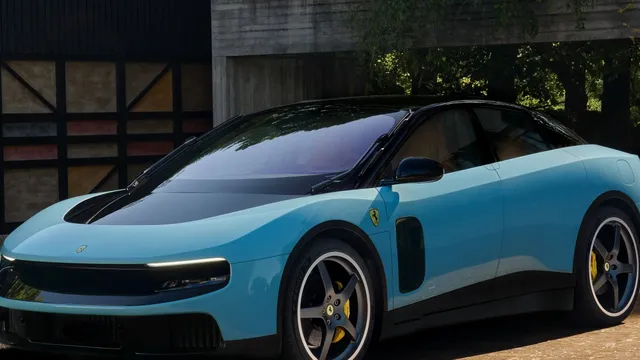
Ferrari faces backlash after unveiling its first electric car
Ferrari faces backlash after unveiling its first electric car
- Ferrari introduced its first fully electric car, Luce, in May 2026.
- The vehicle has received a mixed reaction, leading to a decline in the company's stock price.
- Ferrari's shift to electric vehicles is a significant departure from its traditional market approach and raises questions about its brand identity.
Story
In Italy, on May 27, 2026, Ferrari unveiled its first fully electric vehicle, named Luce, sparking strong reactions across social media and among investors. The new model, priced at $640,000, is distinct as Ferrari’s first five-seater vehicle, created in collaboration with design agency LoveFrom. Many enthusiasts and analysts criticized the car's design and questioned its market appeal, contributing to an approximate 8% drop in the company’s stock following the launch event. Ferrari's shift towards electric vehicles comes at a time when other luxury carmakers like Lamborghini and Porsche are hesitating or retreating from their EV plans due to low demand and fierce competition from Chinese manufacturers. The launch represented a significant change in strategy for Ferrari, which previously ruled out fully electric models in favor of hybrid options. Ferrari's chief executive, Benedetto Vigna, announced that the Luce has been five years in development and emphasized its innovative design process. However, the response from the automotive community has largely been negative, with the vehicle described alternately as revolutionary and as a potential threat to the brand’s longstanding heritage in high-performance sports cars. Critics have expressed concerns over how the Luce's electric nature may affect Ferrari’s traditional image, with some even likening the shift to past failures of other luxury brands. Furthermore, the Luce's debut coincides with a broader industry struggle as high-end carmakers attempt to navigate the challenges of electric vehicle sales. While Ferrari aims for 20% of its 2030 lineup to consist of all-electric cars, this goal has been scaled down from earlier ambitions of 40%. Analysts have noted that embracing electric cars is fraught with risk, particularly for brands that have thrived on exclusivity, as consumer acceptance of EVs appears to be unstable, especially in the luxury segment. Despite positive feedback from notable figures in Italy, the overall market response indicates profound uncertainty about the future of Ferrari's electrification plans. As Ferrari embarks on this electrification journey, the company faces the daunting task of maintaining its identity as a luxury brand while responding to the emerging demand for clean energy vehicles. The Luce may serve as a litmus test for the market’s appetite for high-priced electric luxury cars and could define the roadmap for Ferrari's future in a rapidly changing automotive landscape.
Context
policy impact geopolitical data insight data global insight market global economic global global impact shift shift policy analysis strategic analysis geopolitical data shift shift analysis global strategic economic impact analysis policy global shift strategic analysis geopolitical data market analysis economic insight economic strategic strategic analysis policy analysis data impact global policy policy global policy market geopolitical geopolitical global geopolitical economic trends global impact shift trends geopolitical impact global data insight economic analysis strategic analysis strategic data analysis global policy strategic...


