

Woman killed in suspected mountain lion attack while hiking alone in Colorado
Woman killed in suspected mountain lion attack while hiking alone in Colorado
- A woman was found dead along the Crosier Mountain trail in Larimer County on January 1, 2026.
- Nearby hikers reported a mountain lion sighting and tried to assist the victim.
- Authorities killed two mountain lions in the area due to potential involvement in the incident.
Story
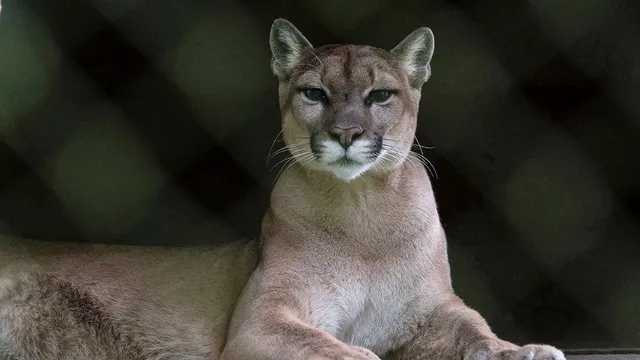
In what may be Colorado's first fatal mountain lion attack in over 25 years, a woman died while hiking alone on the Crosier Mountain trail. The incident occurred at around noon on January 1, 2026, near Estes Park in Larimer County, a region known for its mountain lion population. Hikers found the woman unresponsive and reported seeing a mountain lion nearby. They attempted to scare the animal away by throwing rocks, but unfortunately, efforts by a physician among the hikers were in vain as the woman had no pulse when he attended to her. Authorities, including Colorado Parks and Wildlife, launched a search and found two mountain lions in the area, both of which were euthanized due to their involvement in the attack. These actions followed Colorado Parks and Wildlife policies that dictate any wildlife involved in human attacks must be killed to ensure public safety. The unfortunate event marks a rare incident as mountain lion attacks in Colorado are infrequent, with only 28 reported since 1990, the last being in 1999. Over the past two decades, mountain lions, which can weigh over 130 pounds and are often solitary, have generally maintained a healthy population in Colorado, estimated at between 3,800 and 4,400 adults. They frequently follow their deer and elk prey to lower elevations in winter, increasing the chances of encountering humans. Investigators are conducting necropsies on the euthanized mountain lions, checking for human DNA and other abnormalities that could provide further insight into the fatal incident. The identity of the victim will be released by the Larimer County Coroner. This tragic incident has raised concerns among the local community regarding wildlife encounters, particularly in areas that are natural habitats for mountain lions and other wildlife, such as bears and moose.
Context
impact strategic impact policy data economic geopolitical analysis market strategic trends trends shift global analysis policy trends global policy economic impact policy impact global global economic shift insight economic analysis geopolitical impact shift economic economic trends global trends global impact geopolitical shift insight geopolitical market global analysis economic shift policy strategic market economic policy insight shift trends geopolitical data shift impact global policy analysis global economic analysis data data strategic policy policy geopolitical geopolitical policy shift shift insight trends insight...


