

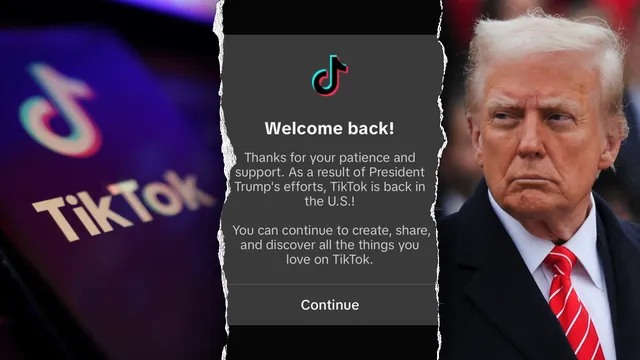
Anti-corruption group sues Trump and Bondi over controversial TikTok deal
Anti-corruption group sues Trump and Bondi over controversial TikTok deal
- In 2024, Congress passed a law requiring ByteDance to divest its U.S. assets by January 2025 to prevent Chinese influence.
- President Trump chose not to enforce this law, allowing a deal allowing ByteDance to maintain control while U.S. companies manage data.
- The Public Integrity Project's lawsuit argues that this deal violates the established law and enables censorship, with implications for free speech.
Story
In April 2024, a law enacted by Congress mandated that ByteDance must divest its U.S. assets by January 2025 due to national security concerns linked to the Chinese government. This divestment aimed to mitigate the risk of Chinese propaganda infiltrating the American market through TikTok, a platform popular among U.S. users. However, after the deadline passed, President Donald Trump did not enforce the law, which led to significant public outcry and criticism of his actions, particularly concerning perceived conflicts of interest with administration-aligned investors. An anti-corruption group known as the Public Integrity Project filed a lawsuit in March 2026 against both Trump and Attorney General Pam Bondi, claiming the deal violated the 2024 divestiture law. The lawsuit was brought by two California software engineers who are shareholders in rival social media companies Alphabet and Meta Platforms. They alleged financial harm caused by the deal's approval due to the non-enforcement of established legal standards. The plaintiffs sought to compel a renegotiation of the deal, emphasizing concerns over censorship and the implications for political content on the platform. The deal, which included the involvement of companies like Oracle and MGX—both with connections to Trump—has faced scrutiny as it seemingly allows ByteDance to retain significant control over the algorithm while shifting some user data management to American companies. This raises questions about the deal’s alignment with the intentions of the 2024 law designed to protect against foreign influence in U.S. media. The legal challenge marks a pivotal moment for TikTok amid ongoing debates regarding its safety, user privacy, and the influence of foreign entities in American digital spaces.
Context
geopolitical insight global insight analysis impact shift analysis insight insight economic insight analysis trends global insight analysis insight market data trends strategic insight data insight analysis analysis economic global market policy impact policy strategic geopolitical trends policy insight global policy shift impact trends economic market global insight data analysis trends data analysis economic policy market market shift strategic insight geopolitical economic global economic trends impact impact analysis impact impact impact insight data trends geopolitical geopolitical policy trends analysis impact insight...


