

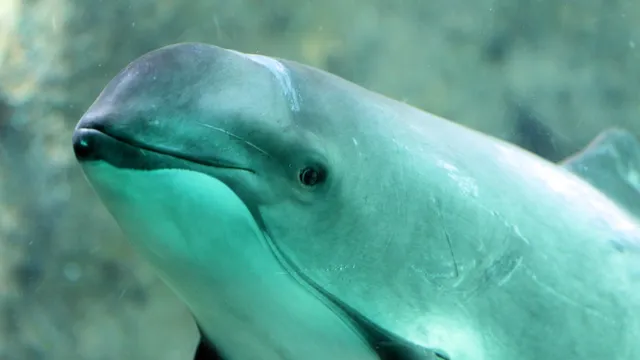
Record mercury levels in porpoises signal deep ocean health crisis
Record mercury levels in porpoises signal deep ocean health crisis
- Mercury concentrations in porpoise livers have increased significantly over the last three decades.
- The study found a correlation between higher mercury levels and increased deaths from infectious diseases among porpoises.
- The findings emphasize the need to reduce industrial emissions to protect both marine life and human health.
Story
In the United Kingdom, significant research has been published on the state of harbour porpoises, revealing alarming trends in mercury poisoning. Over the three-decade period from 1990 to 2021, scientists analyzed liver samples from 738 stranded harbour porpoises and discovered a consistent increase in mercury levels in their tissues. By the end of this timeframe, average mercury concentrations in the livers of these marine mammals were nearly double those observed in the early 1990s. The rising mercury levels correlate with an increase in deaths among porpoises due to infectious diseases. The research highlights that mercury levels in UK coastal waters have seen a marked rise, attributed primarily to human industrial activities. Since the industrial revolution, mercury levels in shallow ocean waters have tripled due to practices such as burning fossil fuels. As mercury accumulates in the marine ecosystem, it affects various species, particularly higher predators like porpoises, leading to increased mortality rates. Importantly, the study's findings raise concerns not only for marine life but also for human health, as chemical contaminants may be impacting the fish and shellfish consumed by people. One of the study's authors, Rosie Williams, a postdoctoral researcher at the Zoological Society of London, emphasizes the link between mercury levels in porpoises and broader environmental issues. She describes these creatures as “sentinel species,” meaning their health reflects the overall health of their ecosystem. Williams expressed concerns that the increase in contaminant levels in these mammals may signal similar trends in other marine life, which could ultimately affect the human food chain. The implications are far-reaching, suggesting that urgent action is required to mitigate mercury pollution. The authors recommend phasing out coal, reducing industrial emissions, and moving towards mercury-free products to ensure a safer ocean environment for both marine life and people. If we disregard these warning signs, we may endanger not just the health of marine ecosystems, but also our own well-being, thus highlighting an urgent call for environmental stewardship.


