
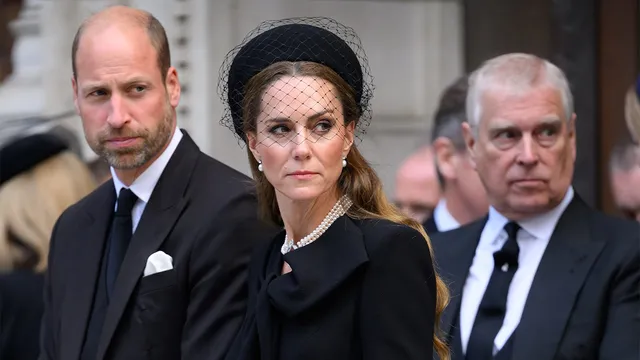
Prince William expresses concern for King's health amid family turmoil
- Prince William revealed his emotional turmoil during his appearance at the BAFTAs, expressing frustration over his uncle's arrest.
- Catherine and William are increasingly concerned about the impact of Andrew's situation on King Charles's health as he fights cancer.
- The royal couple's desire to publicly distance themselves from Andrew highlights their cautious approach in dealing with the ongoing family crisis.
Story
In the United Kingdom, Prince William and Catherine, Princess of Wales, expressed deep concern over the health of King Charles III following the arrest of his brother, Prince Andrew Mountbatten-Windsor. Their worries stem from the stress and emotional turmoil caused by Andrew's legal issues which have left the monarch feeling drained and exhausted. During their recent appearance at the BAFTAs, Prince William hinted at his anxiety regarding his father's well-being, revealing that he is not in a calm state and that the ongoing family crisis is weighing heavily on him. King Charles, who is undergoing treatment for an undisclosed type of cancer, has been affected by the fallout of Andrew's arrest. Sources close to the royal family indicated that both William and Catherine are grappling with the implications of Andrew's controversies on their future roles within the monarchy. The couple is reportedly eager to distance themselves from Andrew, due to the negative public perception surrounding the family's troubles, yet they remain constrained by the ongoing police investigation into Andrew's alleged misconduct in public office. As Prince William navigates his own frustrations, he recognizes that the situation left by Andrew and the late Queen is not only a mess for the monarchy but will also likely continue to affect him as he prepares for his eventual ascension to the throne. Despite these challenges, the royal couple maintained their composure and presented a united front at the BAFTAs, where they consciously chose to focus on their responsibilities, despite the emotional toll of recent events. In contrast to William's candid acknowledgment of his feelings, Catherine opted for a more reserved stance, keeping silent on the issues surrounding her uncle-in-law. Observers have noted the strain on the couple, particularly given their status as parents to young children in a time of such turmoil. They are anxious not just about their family's legacy but also about the precedent these unfolding events set for future royal generations, illustrating the weight of historical scandals on the royal family dynamic.
Context
The British royal family has a long and complex history, punctuated by a series of scandals that have captivated public attention and shaped the institution's image. These scandals range from personal controversies and political missteps to broader societal implications. Notable incidents include the abdication crisis of King Edward VIII in 1936, when he chose to marry Wallis Simpson, an American divorcée, over the throne, which ignited discussions about the monarchy's role and values. This event marked a significant turning point, demonstrating that royal decisions could have far-reaching consequences on national sentiment and public perception of the monarchy's relevance in modern society. The 1990s were particularly tumultuous for the royal family, characterized by the highly publicized breakdown of Princess Diana's marriage to Prince Charles. The media frenzy surrounding the couple's tumultuous relationship, coupled with the subsequent revelations of infidelity from both sides, turned the family into tabloid fodder. Diana's tragic death in 1997 only intensified these scandals, prompting national mourning and significant scrutiny regarding the royal family's treatment of her. The public's growing disillusionment with the monarchy prompted conversations about transparency, accountability, and the need for reform within such a storied institution. The 21st century has seen its fair share of royal controversies. The marriage of Prince Harry and Meghan Markle, an American actress, prompted a new wave of scrutiny. Their announcement of stepping back from royal duties in 2020, along with intimate revelations in interviews, raised questions about race, mental health, and media intrusion in royal lives. This situation highlighted the shifting dynamics between the royal family and the societal expectations of modern monarchy. It ushered in discussions about the relevance of royal traditions and the challenges of preserving dignity in the face of relentless media pressure. Overall, these scandals have not only shaped public perception of the British royal family but have also prompted broader discussions about tradition versus modernity, personal versus public duty, and the evolving role of monarchy in contemporary society. From the abdication of King Edward VIII to the contemporary experiences of Prince Harry and Meghan Markle, each incident contributes to an ongoing narrative about the institution's ability to adapt to social changes while maintaining its historical significance. In light of these complex experiences, it becomes crucial for the royal family to navigate the delicate balance between public engagement and maintaining its dignity in a rapidly changing world.
