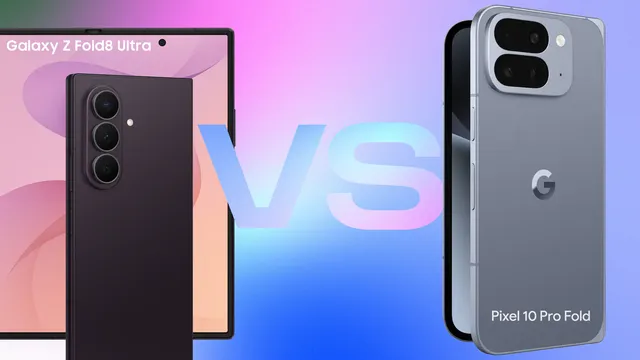
In the competitive landscape of foldable smartphones, Samsung and Google have introduced their latest models, the Galaxy Z Fold 8 Ultra and the Pixel 10 Pro Fold, respectively. The Galaxy Z Fold 8 Ultra, priced at $2,100 for the 256GB variant, features a 6.5-inch AMOLED cover display and an 8.0-inch internal display, both boasting a 120Hz refresh rate. In contrast, the Pixel 10 Pro Fold, which starts at $1,799 for the same storage capacity, offers a slightly thicker design but is noted for its durability, thanks to the use of Corning Gorilla Glass Victus 2. Both devices come equipped with impressive camera systems, although the Galaxy Z Fold 8 Ultra has the edge in video recording capabilities, supporting 8K video at 30 fps compared to the Pixel's 4K recording.
Battery performance is another critical aspect where both devices show strengths. The Galaxy Z Fold 8 Ultra is powered by a 5,000-mAh battery, a significant upgrade from its predecessor, while the Pixel 10 Pro Fold features a slightly larger 5,015-mAh battery. The Pixel's battery life has been praised for lasting over a day with regular use, and its 25W charging speed allows for quick recharges. On the other hand, Samsung has introduced silicon carbon battery technology in the Galaxy Z Fold 8 Ultra, which enhances battery capacity without increasing size.
In terms of processing power, the Galaxy Z Fold 8 Ultra utilizes Qualcomm's Snapdragon 8 Elite Gen 5 processor, aligning with Samsung's high-performance mobile offerings. The device comes with 12GB of RAM, while the Pixel 10 Pro Fold includes 16GB across all its variants, which range from 256GB to 1TB of storage. This difference in RAM may appeal to users who prioritize multitasking and performance in their devices.
Ultimately, while both foldable phones offer unique features and specifications, the choice between them may come down to personal preference regarding design, camera capabilities, and brand loyalty. As the market for foldable smartphones continues to evolve, these two models represent the cutting edge of technology in this segment, catering to different user needs and budgets.