
military conflicts
tragic
catastrophic

Russia kills four Ukrainians as war anniversary looms

Feb 23, 2026, 1:00 AM20
(Update: Feb 24, 2026, 11:13 AM)
sovereign state in Eastern Europe and Northern Asia
East Slavic ethnic group
commune in Seine-Maritime, France
municipality and capital city of Belgium
capital and largest city of Ukraine

Russia kills four Ukrainians as war anniversary looms

  • Four individuals were killed due to Russian airstrikes in Ukraine as of February 24, 2026.
  • The EU is debating new sanctions against Russia and financial aid for Ukraine amid the ongoing conflict.
  • The Kremlin claims its military operation aims to protect civilians in eastern Ukraine, yet Ukraine denies these claims, intensifying the conflict.
Share your opinion
2

Story

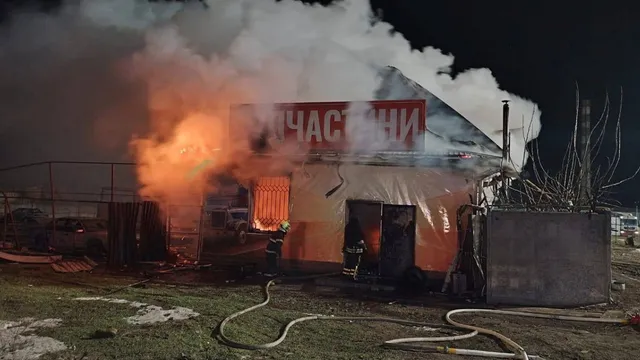
On February 24, 2026, at least four individuals were reported dead following a series of Russian airstrikes in Ukraine, coinciding with the fourth anniversary of Russia's full-scale invasion. Local officials from the southern region of Odesa reported two fatalities from drone strikes targeting industrial and civilian infrastructure, highlighting the extensive damage inflicted on production facilities and residential areas. Simultaneously, in the southeastern city of Zaporizhzhia, Russian forces launched over 750 attacks on 44 settlements, resulting in additional casualties. Emergency teams are currently engaged in assessing damage across the affected regions in Ukraine. In Brussels, European Union foreign ministers convened to deliberate on a substantial loan intended for Ukraine, along with a 20th package of sanctions aimed at Russia. This financial aid is designed to fulfill the Ukrainian government's monetary requirements through to the end of 2027. Nevertheless, Hungary's foreign minister declared that the country would block the loan unless Russia resumes oil exports through the Druzhba pipeline. This interruption has been attributed to ongoing Russian bombings which commenced at the end of January. The Kremlin insists that the primary objective of its military operation is to safeguard the individuals residing in the eastern Donbas region of Ukraine. Dmitry Peskov, spokesperson for President Vladimir Putin, articulated that the situation in eastern Ukraine poses significant peril to its residents, justifying the continuation of military actions. Although Russia contends that its invasion was to protect ethnic Russians, Ukraine firmly denies such claims, accusing Moscow of fabricating justifications for its aggression. Ukrainian President Volodymyr Zelensky has publicly stated that any agreement mandating Ukraine to cede control over Donbas would result in profound resentment among the people, emphasizing that such territory is an integral part of Ukraine. He remains open to negotiating a temporary front-line freeze and mutual withdrawal to facilitate an agreement, which would require a public referendum under Ukrainian law. However, Russia has rejected Ukrainian proposals for a ceasefire, arguing that it would provide Kyiv with an opportunity to regroup and strengthen its military forces.

Context

The recent escalation of Russian attacks on Ukraine has had profound implications for the region and beyond. As of February 2026, these attacks have intensified, marked by increased military actions that not only threaten Ukraine's sovereignty but also destabilize the broader European region. The impact of these military operations has been felt across various sectors, including economic stability, humanitarian conditions, and international relations. Civilians in war-torn areas continue to bear the brunt of these assaults, facing a dire humanitarian crisis characterized by displacement, food insecurity, and a lack of basic healthcare. The conflict has forced millions to seek refuge in neighboring countries, straining resources and creating a humanitarian burden for nations that are already grappling with their own social and economic challenges. Economically, the sustained military activities have led to significant disruptions in Ukraine, a country heavily reliant on agriculture and industrial exports. The conflict has exacerbated supply chain issues, driving up global food prices and creating concerns over energy security, particularly in Europe, which relies on Ukrainian transit routes for natural gas supplies. Additionally, the ongoing attacks have resulted in severe infrastructural damage, including transport networks and power supplies, hindering economic recovery efforts and leading to a decrease in foreign investments. This deterioration in economic conditions has not only affected Ukraine but has also had ripple effects across Europe and other parts of the world, prompting discussions about the necessity of economic sanctions against Russia and increased support for Ukraine. On the diplomatic front, the recent hostilities have further polarized international relations, with countries aligning either in support of Ukraine or backing Russia. The response from NATO allies has included enhanced military support for Ukraine, comprising advanced weaponry and training, aiming to bolster Ukraine's defense capabilities. In tandem, discussions concerning the imposition of stricter sanctions on Russia have gained momentum. However, these measures come with their own set of implications, as they can also lead to long-term geopolitical shifts and influence global power dynamics. The potential for further escalation remains high, as negotiations have frequently stalled and the conflict shows no signs of resolution. In summary, the impact of recent Russian attacks on Ukraine as of February 2026 is multifaceted, affecting humanitarian conditions, economic stability, and international relations. With the ongoing military confrontations, there's an urgent need for diplomatic resolutions to mitigate the humanitarian crisis and restore stability in the region. The international community is faced with the challenge of balancing support for Ukraine while addressing the complex geopolitical consequences of continued military aggression from Russia. The evolving situation demands close attention as it has far-reaching consequences that extend well beyond Ukraine's borders.

2026 All rights reserved
