

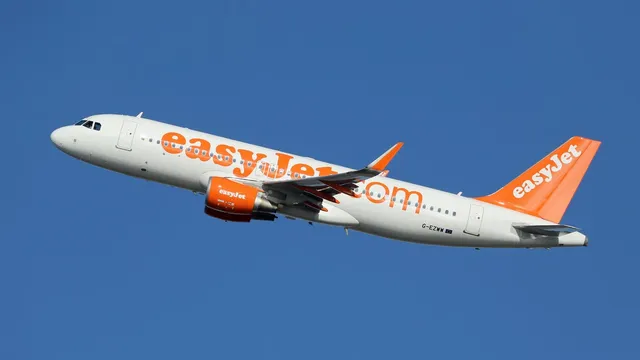
easyJet flight diverted after passenger suffers severe allergic reaction
easyJet flight diverted after passenger suffers severe allergic reaction
- On March 15, 2026, an easyJet flight from Malaga to Belfast had to divert to Brest, France due to a passenger's extreme nut allergy.
- Medical services were ready to assist upon landing in Brest, ensuring urgent care was provided.
- The flight ultimately arrived in Belfast approximately two hours later than originally scheduled, highlighting ongoing challenges in managing inflight medical emergencies.
Story
A Belfast-bound flight operated by easyJet was forced to make an unscheduled stop in France due to a critical medical situation involving a passenger. On March 15, 2026, flight EZY3014, originating from Malaga, Spain, was traveling to Belfast International Airport when a passenger experienced a serious health issue linked to an extreme nut allergy. The flight had taken off from Malaga's Costa Del Sol airport at approximately 12:45 PM local time, and it was scheduled to last around three hours and twenty minutes. However, the situation prompted the pilots to divert the aircraft to Brest, France, to ensure immediate medical assistance was available for the affected individual. Upon landing in Brest, medical personnel were ready to assist as the aircraft reached French soil. The passenger received the required attention, and thereafter, the flight continued its journey to Belfast. By the time the aircraft arrived at its destination, it was roughly two hours behind schedule, landing around 5 PM. The airline reiterated its commitment to passenger safety, emphasizing that the well-being of customers and crew remains their top priority. This incident reflects the ongoing challenges faced by airlines in managing medical emergencies during flights, which can lead to significant delays but are necessary to ensure passenger safety. Such emergencies are not isolated events, as illustrated by a similar situation last summer where an easyJet flight diverted to Bordeaux due to a medical crisis that resulted in substantial delays for its passengers. Airlines continually adapt their protocols and responses to medical emergencies while striving to minimize impact on the travel experience.
Context
The airline industry has faced significant challenges related to passenger health issues in recent years, particularly in light of global events such as the COVID-19 pandemic. The response from airlines has evolved as they adapt to new health protocols and passenger expectations. As public health information continues to develop, airlines have implemented measures to ensure the safety and well-being of their passengers while maintaining operational efficiency. This report outlines the critical steps taken by airlines to address health concerns, the effectiveness of these measures, and the ongoing challenges faced in this dynamic environment. First and foremost, airlines have introduced rigorous cleaning protocols and enhanced sanitization measures aboard their aircraft. This includes the use of hospital-grade disinfectants, regular cleaning of high-touch surfaces, and improved air filtration systems capable of removing up to 99.9% of airborne pathogens. Additionally, many airlines have adopted contactless technology to limit physical interactions during the check-in and boarding processes. These measures not only aim to reassure passengers but also comply with health regulations imposed by authorities worldwide. In addition to physical health measures, airlines have also focused on communication and transparency to foster passenger confidence. Many airlines have created dedicated sections on their websites outlining health and safety protocols, as well as providing updates on travel restrictions and health requirements for various destinations. Moreover, flexible booking policies have become a standard offering, allowing passengers greater freedom to change or cancel their travel plans in response to health-related concerns. This adaptability is critical in an ever-changing environment, as it enables airlines to respond effectively to passenger needs and market demands. Despite these advancements, airlines continue to face challenges related to passenger health issues. Variances in international health regulations, the emergence of new variants of viruses, and general skepticism among the traveling public can complicate the industry's recovery. Airlines must remain agile, regularly updating health protocols and ensuring compliance while addressing the diverse concerns of their customer base. For long-term success, collaboration with health organizations, governments, and public health experts will be essential in developing sustainable practices that prioritize passenger safety while ensuring the viability of air travel.


