

Ford recalls over 450,000 vehicles due to serious safety defects
Ford recalls over 450,000 vehicles due to serious safety defects
- Ford Motor Company is recalling more than 450,000 vehicles due to identified safety issues with rear suspension components and brake and battery problems.
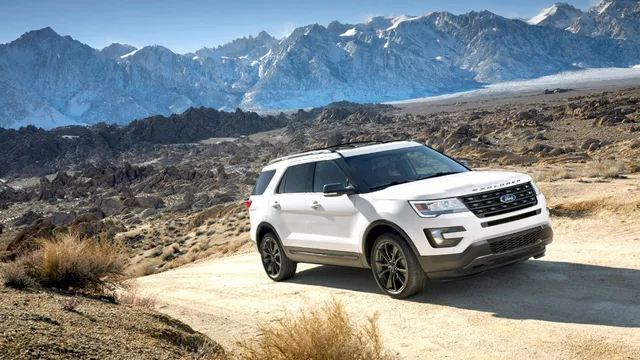
- The major recall involves 412,774 Explorer SUVs produced from 2017 to 2019, with rear toe links susceptible to fracture, leading to issues with steering control.
- This recall is part of Ford's ongoing efforts to address safety concerns and improve vehicle safety standards, having seen a record number of recalls in recent years.
Story
In the United States, Ford Motor Company has announced a significant recall affecting more than 450,000 vehicles due to safety concerns reported to federal regulators. Among the vehicles involved, 412,774 units are model year 2017-2019 Ford Explorer SUVs. The National Highway Traffic Safety Administration (NHTSA) identified issues with rear suspension toe links that could fracture, potentially leading to loss of steering control and an increased risk of crash. This recall follows an investigation prompted by multiple reports of accidents linked to this defect. Ford plans to notify affected vehicle owners with letters beginning March 9, 2026, instructing them to visit dealers for complimentary repairs involving replacement with a stronger design of the toe links. In a separate recall action, Ford is also addressing battery failures and brake pedal defects in 40,655 additional vehicles, which have similarly been identified as increasing the crash risk. The automaker emphasized its commitment to safety, noting record recall numbers in recent years as part of its efforts to quickly identify and remedy potential vehicle defects. It stated that it has been expanding its team of safety and technical experts to improve product quality and regulatory compliance, illustrating a proactive approach to vehicle safety challenges that have surfaced during the past several years.
Context
The National Highway Traffic Safety Administration (NHTSA) plays a crucial role in ensuring the safety of vehicles on the road by setting and enforcing safety standards. These standards are designed to protect drivers, passengers, and pedestrians from the risks associated with motor vehicle accidents. The NHTSA regularly assesses vehicle compliance with safety regulations, and when manufacturers fail to meet these standards, it may lead to vehicle recalls. Recalls are a vital part of the regulatory process to address safety defects or non-compliance that could endanger lives. Vehicle recalls are initiated by manufacturers, often in response to consumer complaints, crash investigations, or NHTSA findings. Once a recall is declared, the manufacturer is responsible for notifying affected vehicle owners, dealers, and the NHTSA. The recall process aims to rectify safety issues without imposing excessive costs on consumers. This can involve repairing the vehicle, providing a replacement, or reimbursing owners for expenses related to the defect. In recent years, the NHTSA has prioritized transparency, requiring manufacturers to report recall data promptly to ensure that affected individuals can be informed and take necessary actions. The landscape of vehicle recalls is continually evolving, driven by advancements in technology and changes in consumer behavior. With the rise of electric vehicles (EVs) and advanced driver-assistance systems (ADAS), the NHTSA has adapted its approach to ensure pertinent safety standards are met for these new technologies. Moreover, increased connectivity and reliance on software have introduced unique challenges for safety oversight. The NHTSA has taken steps to create guidelines specific to these technologies, addressing issues like cybersecurity and software updates, in order to maintain consumer safety in a rapidly changing automotive environment. In summary, the NHTSA's role in the vehicle recall process underscores the agency's commitment to vehicle safety. Through rigorous enforcement of safety standards and proactive engagement with vehicle manufacturers and the public, the NHTSA aims to minimize risks and enhance the overall safety on roads. As vehicle technologies continue to advance, the agency's ability to adapt its regulatory frameworks will be critical in ensuring that safety remains a top priority for all vehicle types. The ongoing dialogue between manufacturers, regulators, and consumers is essential to address emerging challenges and maintain public trust in vehicle safety.


