

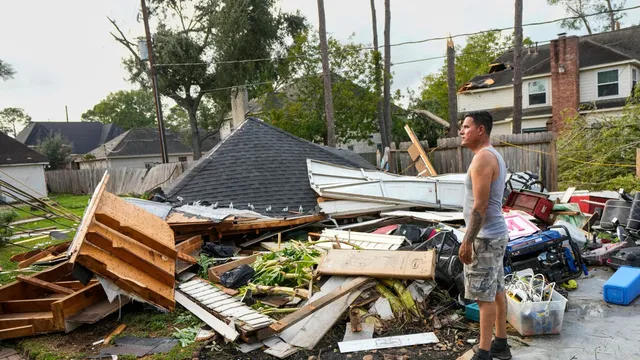
Tornado devastates over 100 homes near Houston
Tornado devastates over 100 homes near Houston
- A tornado struck a residential area near Houston, causing extensive damage.
- More than 100 homes were reported damaged, but no injuries were initially reported.
- Officials emphasized the importance of preparedness and quick response during severe weather events.
Story
On Monday afternoon, November 24, 2025, a tornado touched down in a residential area outside Houston, Texas, causing significant damage to multiple homes. The Harris County Constable for Precinct Four, Mark Herman, reported that deputies were responding to the aftermath in the Memorial Northwest neighborhoods of Spring, Texas. Locals were advised to avoid the area and stay indoors until the severe weather threat had passed. The National Weather Service had previously issued multiple Tornado Warnings and a Tornado Watch for the area due to the threat of severe storms. Reports indicated that the tornado resulted in damage to over 100 homes, with officials confirming no immediate injuries. Photos and drone footage from the Harris County Precinct 3 constable revealed roofs stripped of shingles and debris that obstructed roads. The Houston Fire Department sent a team to clear fallen trees, ensuring that pathways remained accessible for emergency responders. The event highlights the continuous risks posed by severe weather conditions in Texas, particularly in densely populated areas like Houston. Meteorologists and emergency services have stressed the importance of having effective alert systems to keep residents informed during such hazardous weather events. Tornadoes, while common in other regions, are particularly threatening in Texas due to its geography that often leads to the occurrence of severe thunderstorms. Communities near areas under Tornado Watches and Warnings were advised to take precautionary measures. Officials stressed caution when navigating travel in affected areas, treating downed power lines as live hazards and reporting any dangerous conditions. The situation underscores the need for awareness and preparedness among the public during severe weather predictions.
Context
Tornado occurrences in Texas are significant both historically and climatically, given the state's positioning within Tornado Alley, an area where tornadoes are most frequent in the United States. Texas experiences a diverse range of weather patterns due to its large geographic size and varying topography, making it particularly prone to severe thunderstorms and tornadoes. The state's meteorological conditions are dominated by warm, moist air from the Gulf of Mexico colliding with cooler, dry air from the Rocky Mountains and Canada, which serves as a catalyst for tornado formation. This unique climate has led to Texas consistently recording some of the highest numbers of tornadoes annually compared to other states, with an average of over 100 tornado events each year. Historically, Texas has been the site of numerous significant tornado occurrences, some of which have left a profound impact on local communities. The most notable event was the 1900 Galveston hurricane, which included tornadoes that devastated the island and city, causing thousands of fatalities and extensive property damage. This historical event highlighted the destructiveness of tornadoes and the importance of preparedness and response measures in mitigating loss of life and property during such extreme weather events. Other significant tornado instances include the 1970 Lubbock tornado, one of the deadliest in Texas history, resulting in loss of life and economic disruption, as well as the 2000 Fort Worth tornado, which impacted a major urban area and prompted discussions on building codes and emergency response strategies. In recent years, advances in meteorological technology have improved tornado detection and forecasting capabilities, allowing for earlier warnings and better preparedness strategies for communities at risk. These enhancements have been crucial in reducing fatalities and injuries associated with tornado events. Community awareness and education about tornado safety have also contributed to increased resilience among residents living in tornado-prone areas of Texas. Moreover, state agencies, such as the National Weather Service (NWS), have been proactive in implementing outreach programs aimed at educating the public on the dangers of tornadoes and the importance of having emergency action plans in place. Looking into the future, the trajectory of tornado occurrences in Texas remains a subject of active research, particularly in understanding how climate change may impact severe weather patterns. While definitive conclusions are still being drawn, some studies suggest that warmer temperatures could lead to more intense storms, potentially increasing the frequency and severity of tornado events. Thus, continued investment in research, technology, and community education will be critical in preparing for and responding to future tornado occurrences, ensuring the safety and resilience of Texas residents against the backdrop of a changing climate.


