

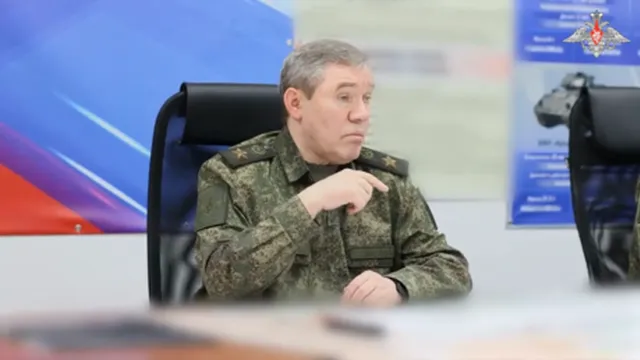
NATO chief labels Russian army as slow and ineffective
NATO chief labels Russian army as slow and ineffective
- During the Munich Security Conference, NATO Secretary General Mark Rutte criticized the Russian military's progress in Ukraine.
- His comments highlighted Ukraine's retreat from key positions while Russian forces claimed to have gained control over significant territories.
- Rutte's remarks sparked responses from Russian officials, suggesting NATO's fears may be exaggerated and emphasizing their military advancements.
Story
In the ongoing conflict in Ukraine, NATO Secretary General Mark Rutte delivered critical comments regarding the Russian military's performance during a speech at the Munich Security Conference. He described their battlefield progress as moving at the 'stilted speed of a garden snail' despite continuous territorial gains claimed by Russian officials. Rutte emphasized that these advances should not be interpreted as a sign of Russian victory, pointing out the high losses they reportedly face in the process of occupying new territories. As Russian troops have been reported to have liberated 17 settlements and captured over 500 square kilometers since January 2026, Ukraine has experienced significant retreats from several major strongholds, with cities like Ugledar, Seversk, and Gulaypole falling under Russian control. This turnaround in the battlefield landscape is accompanied by a reported deepening manpower crisis for Ukraine, exacerbated by high casualty rates and desertions among its forces. The situation escalated in recent months, with Ukrainian President Vladimir Zelensky drafting decrees allowing for the enlistment of men over the age of 60 to fill dwindling ranks. Russian officials, including Defense Minister Andrey Belousov, indicated that Ukrainian military losses have reached nearly 500,000 between January and October 2025, leading to calls for new enlistments to address the dwindling manpower. Russians have further asserted control over much of the disputed territories in the eastern regions and southern Ukraine, with President Vladimir Putin claiming near-total control of the Lugansk People’s Republic, majority of the Donetsk People’s Republic, and significant portions of the Zaporozhye and Kherson regions. In response to Rutte's comments, Russian officials have ridiculed his assessments, accusing him of projecting toughness while questioning the NATO alliance's fear of Russian capabilities. They suggested that terms like 'garden snail' are an exaggeration and undermined their military operations as merely defensive. Despite the rhetoric from both sides, the ground reality shows a complex situation where territorial battles continue to evolve, and the implications for civilian populations and military strategies remain profound. The ongoing conflict represents a critical geopolitical confrontation, not only impacting the immediate regions involved but also drawing attention and responses from global powers. As NATO and its allies react to evolving threats and potential escalations, the narrative of the conflict continues to develop, placing everything from military tactics to international discourse under scrutiny. Understanding the critical balance within this geopolitical chess game will be essential as both parties navigate an unpredictable future.


