

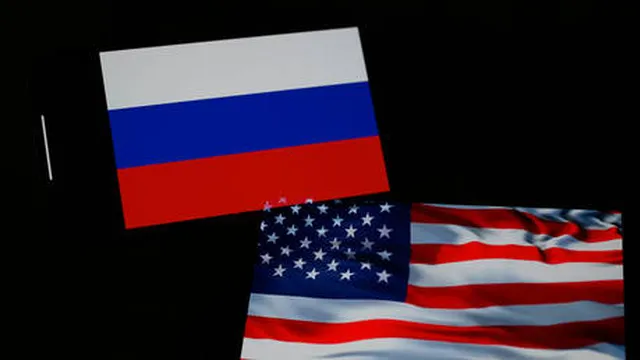
Russia and US restore military dialogue amid Ukraine conflict
Russia and US restore military dialogue amid Ukraine conflict
- High-level military communications between Russia and the US were reestablished in early February 2026 during talks in Abu Dhabi.
- The resumption of dialogue aims to prevent miscalculations and escalation arising from the ongoing Ukraine conflict.
- Continued efforts at diplomacy highlight the pressing need for peace in a conflict that has had devastating human consequences.
Story
In early February 2026, Russia and the United States reestablished high-level military communications during talks held in Abu Dhabi, marking a significant development in their strained relations since the onset of the Ukraine conflict. This dialogue was suspended shortly before Russia's invasion of Ukraine in February 2022, with almost all military contact severed under former President Joe Biden. The discussions in Abu Dhabi included not only military officials from the US, Russia, and Ukraine but also aimed to facilitate a peace deal to resolve ongoing hostilities that have resulted in extensive casualties and displacement of civilians across the region. During the talks, US European Command reported that General Alexus Grynkewich engaged with his Russian and Ukrainian counterparts to explore ways to maintain global stability and peace. The agreement to restore military communication was seen as a crucial step in preventing further escalation in the conflict, emphasizing the need for transparency and de-escalation in military operations. Russian Foreign Minister Sergey Lavrov expressed that while policies between the two nations might differ, the focus should remain on avoiding confrontation. However, the complexity of resolving ongoing territorial disputes in Ukraine remains a significant challenge. Both sides addressed critical issues, including an agreement to exchange over 300 prisoners. Nonetheless, key concerns regarding territorial integrity and future military postures remain unresolved. Ukraine continues to face pressure concerning its territorial claims, particularly in the Donbas region, where Russian demands for troop withdrawals have met with firm resistance from Kyiv. Ukrainian President Volodymyr Zelensky has publicly emphasized the importance of US involvement in negotiating a resolution to the conflict, asserting that weaknesses in the position against Russia could lead to renewed aggression. These diplomatic efforts occur during a backdrop of a prolonged and devastating conflict, which is recognized as the deadliest military engagement in Europe since World War II. With hundreds of thousands killed and millions displaced, the urgency for constructive dialogue could not be more evident. The continuation of military dialogue between Russia and the US represents a potential turning point, but tangible results will depend on the willingness of both parties to bridge significant political divides and commit to substantial negotiations on territorial and security issues.
Context
The history of Russia-US military relations has been marked by a complex interplay of cooperation and conflict, deeply influenced by geopolitical dynamics and ideological differences. Initially shaped by World War II, both nations found themselves allied against Nazi Germany, despite significant mistrust. This collaboration culminated in the establishment of the Grand Alliance, which, although effective in achieving military objectives, laid bare the underlying tensions. Following the war, however, the relationship swiftly deteriorated into the Cold War, a period characterized by an arms race, proxy wars, and mutual suspicion, which fundamentally shaped military interactions for decades. During the Cold War, military relations between Russia and the US were defined by a series of confrontations and crises, including the Korean War, the Cuban Missile Crisis, and numerous proxy conflicts around the globe. The establishment of NATO in 1949 and the Warsaw Pact in 1955 further solidified the division, fostering an environment of reciprocal deterrence. Nuclear arsenals grew exponentially during this time, with both countries amassing significant stockpiles of nuclear weapons, creating a precarious balance of power known as mutually assured destruction. The military engagements were often indirect, with each nation supporting opposing sides in conflicts around the world, keeping their military confrontations at bay while continuously assessing each other's capabilities and intentions. The end of the Cold War in the early 1990s brought a brief period of improved relations, exemplified by arms reduction agreements such as the Strategic Arms Reduction Treaty (START). Military cooperation was tentatively explored, including joint exercises and dialogues aimed at managing the nuclear threat and addressing common security challenges. However, the optimism was short-lived, as NATO's eastward expansion in the late 1990s and early 2000s rekindled old fears in Russia, leading to increasing tensions and a reassessment of military strategies on both sides. Incidents like the Kosovo War and the US invasion of Iraq further alienated Russia, which perceived these actions as unilateral and threatening to its influence in the region. The onset of the 21st century ushered in a new era of confrontational relations, exemplified by events such as the 2008 war in Georgia and the annexation of Crimea in 2014. The US and NATO responded with sanctions and enhanced military presence in Eastern Europe, further escalating tensions. Military interactions became increasingly adversarial, marked by frequent aerial encounters and naval incidents. Both nations have continued to engage in military modernization efforts, and the adoption of new defense strategies indicates an ongoing rivalry. As of 2026, despite occasional discussions on arms control and the need for dialogue, military relations remain strained, influenced by strategic competition and the prevailing need for both countries to assert their influence globally.


