

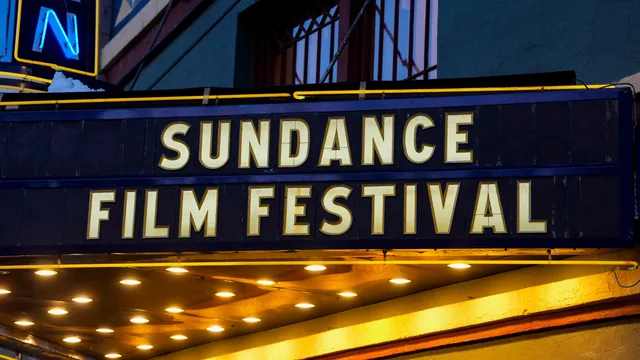
Robert Redford's legacy endures as Sundance Film Festival bids farewell to Park City
Robert Redford's legacy endures as Sundance Film Festival bids farewell to Park City
- Robert Redford, founder of the Sundance Film Festival, passed away in September 2023 at the age of 89.
- This year marks the final edition of the festival in Park City, with plans to move to Boulder, Colorado, in 2027.
- Amy Redford highlighted her father's influence on independent filmmaking and values he instilled in the family, emphasizing sustainability and creativity.
Story
In January 2026, the Sundance Film Festival is concluding its final year in Park City, Utah. This significant event marks a poignant moment as it also comes after the passing of Robert Redford, its founder, who died in September 2023 at the age of 89. The festival, which has been a leading platform for independent filmmakers for decades, must now transition to a new location, with Boulder, Colorado, selected for the 2027 event. Redford's vision for the festival was deeply rooted in his belief that audiences should have access to diverse voices and stories that are often overlooked by mainstream cinema. Amy Redford, Robert’s daughter and a filmmaker, shared insights during an exclusive interview, reflecting on her father's parenting style and impact on the film industry. She described him as playful, curious, and kind - qualities that he imparted to his children. Notably, she praised his decision to raise them between New York City and Sundance, instilling in them a strong sense of stewardship for both urban and natural environments. This upbringing contributed significantly to the values she and her siblings carry today, which emphasize passion and the potential to effect change. The upcoming festival, while steeped in nostalgia and homage to Robert Redford's legacy, also signifies a time of transformation. Attendees, including veteran filmmakers, are expected to come together to celebrate the essence of Sundance and contemplate its future in a new setting. The lineup boasts a diverse array of films, showcasing not just high-profile stars but also emerging filmmakers whose low-budget productions have made their mark here in the past. The farewell to Park City is significant not only for its emotional weight but also in recognizing how the festival has evolved over the years. Many filmmakers credit Sundance with catalyzing their careers, and it stands as a vital conduit for independent cinema, giving rise to important cultural conversations through films that challenge conventions. As the festival gears up for its transition, it also looks to retain the essence of what it has represented thus far and aims to foster an environment where creativity thrives no matter the location, ensuring that the spirit of Robert Redford lives on.
Context
The Sundance Film Festival, held annually in Park City, Utah, is widely recognized as one of the most significant events for the independent film sector. Established in 1978, the festival has played a pivotal role in fostering the growth and visibility of independent filmmakers, providing a platform for new voices and innovative storytelling. It serves as a launchpad for films that may not have the financial backing of major studios but possess unique artistic visions. The festival's commitment to independent cinema has encouraged filmmakers to explore diverse themes and narratives, often reflecting social issues and personal struggles that resonate with audiences beyond mainstream cinema. Moreover, Sundance has established a reputation for attracting high-profile talent, which in turn garners media attention and audience interest in independent projects, further enhancing their market opportunities. The impact of Sundance reaches beyond just the immediate successes of films shown during the festival. As one of the largest independent film festivals in the United States, Sundance acts as a barometer for trends in the independent film industry, influencing the types of stories being told and the methods of storytelling. The festival has contributed to the changing landscape of film distribution, as traditional models have been disrupted by digital platforms and audience demands. Many films that premiere at Sundance go on to secure distribution deals and gain critical acclaim, significantly increasing their visibility and potential for commercial success. This has not only encouraged filmmakers but has also led to an increase in investment in independent films, allowing for more projects to be produced and brought to life. In addition to financial implications, the festival has a profound social impact. Sundance has highlighted issues related to diversity and representation in cinema, creating initiatives to promote underrepresented voices in filmmaking. With a focus on equity, the festival encourages dialogue around important social themes and cultural narratives. By showcasing films that address topics such as race, gender, sexuality, and mental health, Sundance has helped to foster a more inclusive film industry. The festival's support of documentaries, in particular, has provided important commentary on contemporary social issues, enriching the discourse around independent film and its role in society. As the film industry continues to evolve, the Sundance Film Festival remains a significant touchpoint for independent filmmakers and audiences alike. The festival's ongoing commitment to discovering and amplifying original stories not only contributes to the diversity of the cinematic landscape but also shapes the future of independent filmmaking. The relationships formed at Sundance among filmmakers, distributors, and audiences cultivate a community invested in artistic exploration, ensuring that independent cinema thrives in the years to come.


