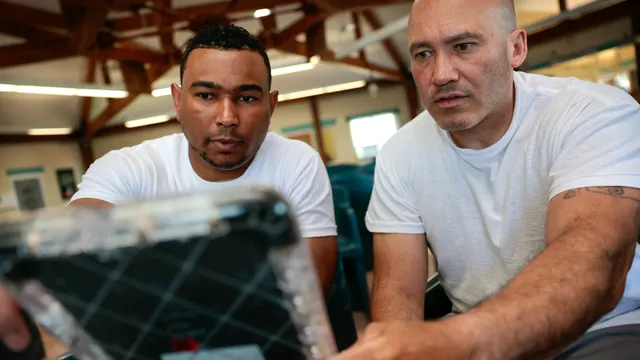
In a significant move towards modernization, the Bureau of Prisons (BOP) announced that all federal inmates in the United States will soon have access to personal tablets. This initiative aims to enhance educational and rehabilitative opportunities for the over 138,000 prisoners currently in federal custody. The BOP has signed a contract for tablet services that will facilitate secure messaging, video services, and various educational programs. The rollout of these tablets will occur in phases across the nation’s correctional facilities, adhering to strict security protocols to ensure the safety of both inmates and staff.
The introduction of tablets is part of a broader strategy to modernize the BOP's operations, which have been criticized for being outdated. BOP Director William K. Marshall III emphasized that the primary goal is to maintain the safety of staff and institutions while expanding rehabilitation opportunities for inmates. The tablets will provide access to literacy support, evidence-based rehabilitative programs, faith-based materials, health care information, and job preparation content. This initiative is expected to help inmates maintain healthy relationships with their loved ones, which research has shown can significantly reduce recidivism rates.
In addition to enhancing communication and educational resources, the tablets will also streamline administrative processes within the facilities. Tasks that were traditionally paper-based, such as commissary ordering and program registration, will transition to a digital platform, thereby reducing the administrative burden on staff. This modernization effort is crucial as it allows correctional staff to focus more on maintaining safe environments while providing inmates with the tools they need for successful reintegration into society.
The BOP's decision to implement this tablet program comes at a time when many state prison systems have already adopted similar technologies. As of 2019, only a dozen states had introduced tablets in their prisons, but the trend has since gained momentum. Oregon, for instance, has recently begun implementing a model where each inmate receives their own tablet. The BOP's initiative reflects a growing recognition of the importance of technology in correctional settings and its potential to improve outcomes for inmates and society as a whole.