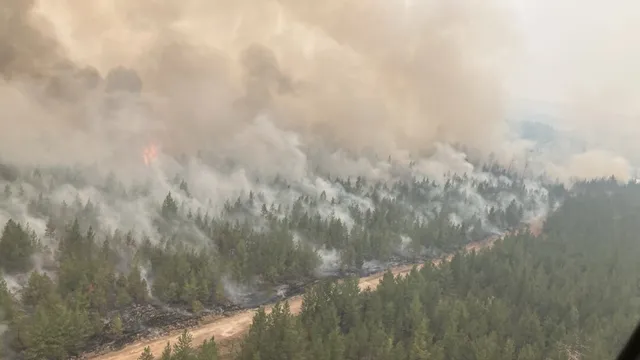
The impact of heat on wildfires in Canada has become an increasingly pressing issue, particularly in the context of climate change and its associated effects on weather patterns. Rising temperatures have been linked to an increase in the frequency and intensity of wildfires across the country. As the climate warms, the conditions that foster wildfires—such as prolonged dry spells, higher temperatures, and lower humidity—are becoming more prevalent. This trend poses significant risks not only to the environment but also to human health, property, and biodiversity. The summer months, particularly July and August, have seen a marked increase in wildfire activity, correlating with peak heat periods, which further exacerbates the situation. The Canadian government and various environmental organizations are increasingly focused on understanding these dynamics to develop effective strategies for wildfire management and prevention.
The relationship between heat and wildfires is multifaceted. Higher temperatures can lead to drier vegetation, which serves as fuel for wildfires. Additionally, heat waves can create conditions that are conducive to the ignition and spread of fires. In Canada, regions such as British Columbia and Alberta have experienced some of the most severe wildfire seasons, with record-breaking temperatures contributing to extensive fire damage. The 2023 wildfire season, for instance, was marked by unprecedented heat, leading to the destruction of vast forest areas and significant economic losses. The ecological impact is profound, as wildfires can alter habitats, threaten wildlife, and contribute to soil erosion and water quality degradation.
Moreover, the socio-economic implications of increased wildfire activity are significant. Communities in fire-prone areas face heightened risks, leading to potential evacuations, loss of property, and increased firefighting costs. The health impacts of wildfires, including respiratory issues from smoke inhalation and mental health challenges due to displacement, are also critical considerations. As wildfires become more frequent and severe, the strain on emergency services and resources intensifies, necessitating a reevaluation of current fire management practices. Policymakers are urged to invest in preventive measures, such as controlled burns and improved land management strategies, to mitigate the risks associated with wildfires.
In conclusion, the impact of heat on wildfires in Canada is a complex issue that requires urgent attention. As climate change continues to drive temperature increases, the frequency and severity of wildfires are likely to escalate, posing significant threats to ecosystems, human health, and economic stability. A comprehensive approach that includes research, community engagement, and policy reform is essential to address the challenges posed by wildfires. By understanding the interplay between heat and wildfire dynamics, Canada can better prepare for and respond to these natural disasters, ultimately safeguarding its environment and communities.