

Florida congresswoman faces serious charges for stealing COVID-19 funds
Florida congresswoman faces serious charges for stealing COVID-19 funds
- Sheila Cherfilus-McCormick has been charged with conspiring to steal $5 million in federal COVID-19 funds intended for her family's healthcare company.
- The charges include theft, conspiracy, and money laundering, with accusations that funds were misused for personal expenses.
- The unfolding cases highlight significant concerns regarding the integrity of public officials in their handling of emergency funds during the pandemic.
Story
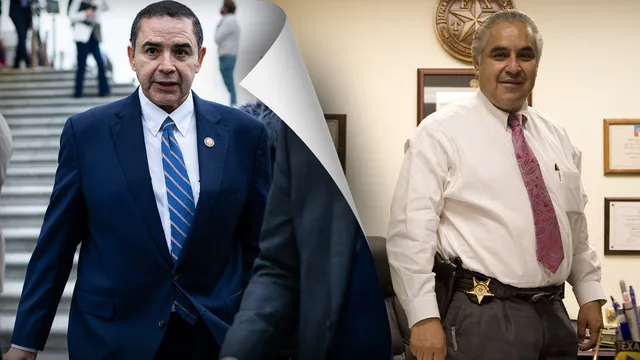
In December 2021, Sheila Cherfilus-McCormick, a Florida congresswoman, was arrested and charged with conspiring to misappropriate $5 million in federal COVID-19 disaster funds intended for a health care company owned by her family. The charges stemmed from claims that, shortly after receiving these funds, substantial amounts were diverted into personal expenditures, including over $100,000 spent on a diamond ring. The funds were initially received through a contract for vaccination staffing, and allegations suggest that her brother mistakenly requested an excessive amount without returning the overpayment. Cherfilus-McCormick has pleaded not guilty to 15 federal counts, including theft of government funds, conspiracy, and money laundering. She was granted bail but required to surrender her personal passport. Moreover, she is only permitted to travel within specific jurisdictions for congressional duties. This legal trouble followed her winning a special election to serve Florida’s 20th District after the death of Rep. Alcee Hastings in early 2022. Her defense suggests that complex financial circumstances contribute to her case, and her legal team is working on securing adequate legal representation as the arraignment was postponed to February 3, 2023, upon her request. In a separate but notable case, Texas Sheriff Martin Cuellar Jr. has also been indicted for fraud for utilizing resources from his position to operate a disinfecting business during the pandemic. The timing of these charges reflects a broader scrutiny of public officials and potential overreach during the COVID-19 crisis, raising public concern about integrity and governance in times of national emergencies. As the legal proceedings unfold, both cases reveal potential misuse of public funds and the implications of such actions on political careers and public trust.


