

Takaichi vows to end austerity and revive Japan's economy
Takaichi vows to end austerity and revive Japan's economy
- Sanae Takaichi announced a shift from excessive fiscal austerity to boost long-term investment.
- Her administration will implement a multi-year budget framework to improve predictability for firms.
- The new fiscal plan aims to stimulate economic growth without compromising market confidence.
Story
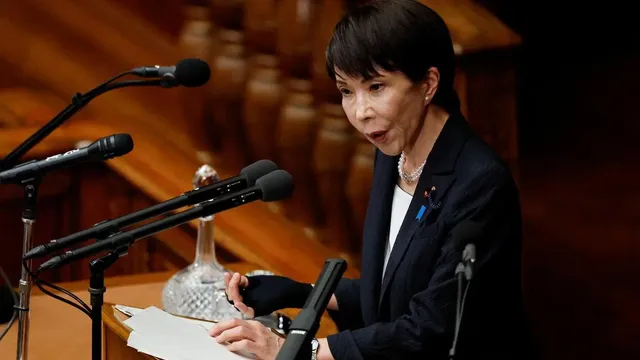
On February 20, 2026, Japanese Prime Minister Sanae Takaichi announced her commitment to transitioning away from excessive fiscal austerity in order to stimulate economic growth. She emphasized the importance of investing in high-potential sectors, such as artificial intelligence, chips, and shipbuilding, to enhance Japan's long-term economic outlook. During her policy speech in Parliament, Takaichi noted that her administration would develop a multi-year budget framework to promote better predictability for firms, thereby encouraging investment. This approach marks a significant shift from the traditional single-year budget practice prevalent in Japan. While Takaichi's implementation of a generous spending plan aims to invigorate the world’s fourth-largest economy, it has also raised concerns among investors regarding the sustainability of Japan's finances due to its high debt load. She recognized the need to balance ambitious spending with maintaining market confidence and committed to set specific indicators to measure fiscal progress. The administration plans to manage the rate of debt increase closely, aiming to keep it within the limits of economic growth and gradually lower the debt-to-GDP ratio. In her speech, Takaichi made it clear that her administration would not adopt reckless fiscal policies, insisting on funding for initiatives through cuts to existing subsidies. She also highlighted a goal to achieve a primary budget surplus around fiscal 2025 to 2026, although analysts worry that the ambition for growth spending may result in further sell-offs in government bonds, reflecting investor concerns about rising debt financing costs amid increasing interest rates from the Bank of Japan. Takaichi's expansive fiscal plans also include a controversial proposal to suspend an 8 percent consumption tax on food for two years, which some fear might lead to difficulties in reapplying the tax thereafter. As the policies Takaichi puts forth unfold, the implications for Japan's fiscal situation and market stability will be closely scrutinized. Her stance on invigorating the economy while managing financial risks underscores the delicate balance the government must maintain in fostering growth without exacerbating debt challenges. The forthcoming updates and developments regarding her administration's fiscal policies will be significant to watch, especially as they relate to the broader economic environment and Japan's position in the global market.


