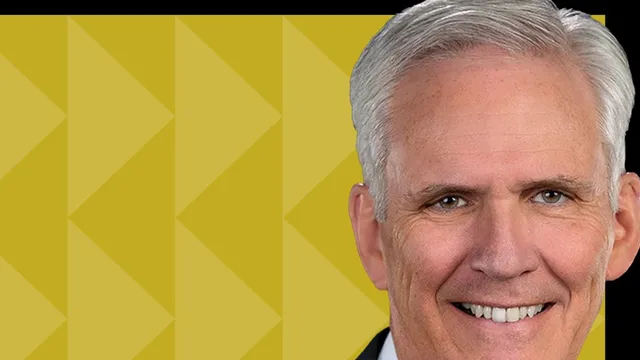
In a recent development that has garnered attention in the corporate world, HF Sinclair Corporation, ranked 150 on the Fortune 500 list, announced that its CEO, Tim Go, is taking a voluntary leave of absence. This decision comes as part of a broader strategy to ensure continuity in leadership within the company. The chairperson of the board, Franklin Myers, has been appointed as the interim CEO while Go is away. This move illustrates the company's commitment to maintaining its leadership structure and operational effectiveness during this transitional phase.
Furthermore, the executive landscape is dynamic, with various Fortune 500 companies experiencing leadership changes that underscore the constant evolution within the corporate sector. Changes are not restricted to HF Sinclair; organizations such as Sprouts Farmers Market and Procter & Gamble are also navigating their own executive shifts. These transitions reflect trends in the industry where companies routinely reassess and modify their leadership to align with strategic goals and market conditions.
In a related event, Science Applications International Corporation (SAIC), ranked 496 on the Fortune 500 list, has appointed James Reagan as its new CEO. Reagan previously served in an interim capacity since October 2025 and has been a board member since 2023. His ascension to the CEO role exemplifies the typical path of internal candidates being recognized for their leadership potential. This pattern illustrates both a trend toward continuity in operational ethos and a responsiveness to stakeholder expectations within tech-centric firms.
The shifting leadership landscapes seen in these Fortune 500 companies highlight the importance of adaptable strategies in corporate governance. With leaders stepping in and out, organizations must balance maintaining momentum while responding to new challenges, whether linked to market fluctuations, technological advancements, or broader societal changes. Events like these allow for discussion on the future of corporate leadership and how companies can embrace change while aiming for long-term stability.