

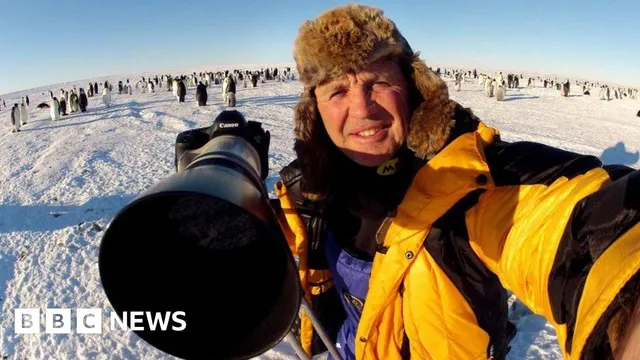
Doug Allan dies while trekking in Nepal
Doug Allan dies while trekking in Nepal
- Doug Allan, an acclaimed wildlife cameraman, died at the age of 74 while trekking in Nepal.
- He won eight Emmy Awards and was recognized for his work on popular BBC documentaries alongside Sir David Attenborough.
- His passing is a significant loss for the wildlife filmmaking community, leaving behind an inspiring legacy.
Story
The acclaimed wildlife cameraman and photographer Doug Allan passed away during a trekking expedition in Nepal. He was 74 years old at the time of his death, which reportedly occurred while he was immersed in nature and accompanied by friends. Allan was a highly regarded figure in the field of wildlife filmmaking, known for his notable collaborations with the renowned broadcaster Sir David Attenborough. Throughout his career, he worked on several influential BBC nature documentaries, including The Blue Planet, Blue Planet II, Planet Earth, and Frozen Planet. His dedication to capturing the beauty and complexity of the natural world earned him significant accolades, including eight Emmy Awards. Additionally, he was honored with an OBE for his contributions to broadcast media and environmental awareness in 2024. Beyond his impressive awards and recognition, Allan had a profound impact on the wildlife filmmaking community. He was described as a pioneer in the industry, with a unique ability to create breathtaking and intimate images that brought audiences closer to the wonders of our planet. His management company expressed that he left behind a visual legacy that few could match, inspiring awe and respect for the natural world. Allan's ex-wife, Sue Flood, also a prominent wildlife photographer, shared her heartfelt tribute on social media, recalling their many adventures together over the decades. She noted how his influence shaped her career, driving her passion for the polar regions, where much of their work and efforts were focused. Despite the heartbreak of his passing, she found comfort in knowing he was doing something adventurous with a dear friend at the time of his death. The wildlife community has expressed deep sorrow over the loss of Allan, recognizing him as a kind and generous figure who touched the lives of many through his work. His commitment to capturing the beauty of the Earth and emphasizing the importance of environmental awareness will continue to inspire future generations of wildlife filmmakers. Doug Allan's legacy will undoubtedly endure, as his remarkable contributions to documenting wildlife have left an indelible mark on both audiences and the environment.
Context
Doug Allan is a renowned wildlife filmmaker whose work has significantly impacted the field of nature documentary filmmaking. His unique approach combines innovative techniques with a deep understanding of animal behavior, resulting in compelling narratives that resonate with audiences worldwide. Allan has spent over three decades filming in some of the most remote and harsh environments on Earth, including the Arctic and Antarctic regions. His extraordinary ability to capture intimate moments in the lives of wildlife has not only brought to light the beauty of nature but has also raised awareness about the pressing issues facing the natural world due to climate change and human activities. One of Allan's notable contributions to wildlife filmmaking is his pioneering use of technology to enhance the storytelling experience. He has utilized state-of-the-art camera equipment, such as underwater cameras and remote-controlled drones, to capture stunning visuals that showcase animal behavior in ways that were previously unattainable. His work on popular television series like 'The Blue Planet' and 'Frozen Planet' has not only pushed the boundaries of visual storytelling but has also inspired a new generation of filmmakers to adopt similar techniques in their own productions. By emphasizing the importance of high-quality cinematography, Allan has set a standard in the industry that highlights the beauty and complexity of wildlife, encouraging filmmakers to strive for excellence in their own work. Furthermore, Allan's storytelling prowess goes beyond stunning visuals; he is renowned for his ability to convey emotional narratives and connect viewers with the subjects of his films. He often places the audience in the midst of exhilarating or poignant moments, allowing them to experience the challenges and triumphs of wildlife firsthand. This emotional engagement fosters a deeper appreciation for the natural world and encourages conservation efforts among viewers. Allan's commitment to this cause has been evident throughout his career, as he frequently advocates for the protection of fragile ecosystems and endangered species through his films, talks, and public appearances. In conclusion, Doug Allan's work has significantly influenced wildlife filmmaking by setting high standards for cinematography and narrative depth. His innovative techniques and passionate storytelling have not only captivated audiences but have also played a critical role in raising awareness about environmental issues. As the field of wildlife filmmaking continues to evolve, Allan's legacy as a pioneering filmmaker serves as a guiding light for future generations, inspiring creativity, ecological consciousness, and a love for nature. Through his films, Allan has helped bridge the gap between humans and wildlife, fostering a sense of responsibility towards the planet that encourages viewers to take action for its preservation.


