

Jerome Powell defends Federal Reserve independence despite criminal probe
Jerome Powell defends Federal Reserve independence despite criminal probe
- The Federal Reserve opted to maintain key interest rates amidst pressure from the Trump administration.
- Jerome Powell is facing a criminal investigation related to his conduct regarding a multi-billion dollar renovation project.
- This tension highlights the ongoing struggle for the Fed's independence in the face of political pressures and criticism.
Story
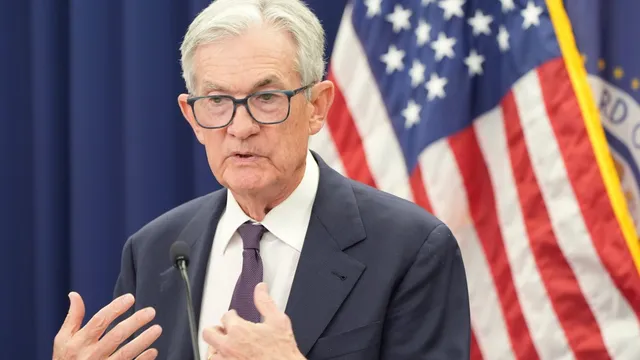
The Federal Reserve has decided to hold interest rates steady in the wake of ongoing scrutiny and pressure from the White House. Amid a criminal investigation launched against Jerome Powell, the Fed Chair, the central bank maintains its stance on interest rates to ensure economic stability. This decision comes after three consecutive quarterly rate cuts last year aimed at counteracting slower hiring and elevated inflation. Powell emphasized the central bank's commitment to its independence at a recent press conference, stating that any loss of credibility would be hard to restore. The investigation focuses on Powell's testimony regarding a costly renovation project, raising concerns over the politicization of monetary policy. Throughout this tumultuous period, Trump's criticisms of the Fed and its leadership have heighted, with implications for both domestic economic conditions and international relations. As the Fed weighs the economic landscape, any future rate decisions could have far-reaching consequences, making the central bank's independence vital for maintaining its credibility. With high inflation rates and a fragile job market, Powell and the Fed face a daunting task in navigating these economic challenges while under close observation from the administration.
Context
The Federal Reserve's interest rates serve as a critical tool for managing the U.S. economy, influencing various economic activities such as borrowing, spending, and overall economic growth. When the Federal Reserve raises interest rates, it typically signals an effort to curb inflation, which can lead to increased borrowing costs for consumers and businesses. Higher interest rates often result in reduced consumer spending, as individuals may defer large purchases due to increased loan costs, such as mortgages or auto loans. Similarly, businesses may hold off on investment projects due to concerns over higher financing costs, which can collectively slow down economic growth. Conversely, when the Federal Reserve lowers interest rates, it aims to stimulate economic activity by making borrowing more affordable. Lower interest rates can encourage consumers to spend more on credit and allow businesses to invest in expansion and hiring due to cheaper loans, thereby promoting economic growth and potentially reducing unemployment rates. In recent years, the Federal Reserve has adopted a more reactive stance to shifting economic conditions. For example, following the economic disruptions caused by the COVID-19 pandemic, the Federal Reserve significantly lowered interest rates to near-zero levels in a bid to support the struggling economy. This action was instrumental in stabilizing financial markets and providing liquidity to businesses and consumers. The federal funds rate remained at historically low levels for an extended period, reflecting the ongoing concerns over economic recovery and inflationary pressures. As the economy began to recover, the Federal Reserve faced the challenge of managing inflation expectations while ensuring that the recovery remained on track. This balancing act has often led to public speculation and debate about the timing and magnitude of potential interest rate hikes. Inflation is a primary concern when it comes to the implications of Federal Reserve interest rate decisions. The relationship between interest rates and inflation is complex; typically, higher interest rates can help keep inflation in check, while lower rates can contribute to rising price levels as more money circulates in the economy. When inflation rates rise above the Federal Reserve's targeted inflation rate, the central bank is likely to consider increasing interest rates to restore price stability. For instance, during periods of rapid economic growth or supply chain disruptions, inflation can outpace expectations, leading monetary policymakers to adjust interest rates proactively to manage inflationary pressures. Ultimately, the impact of Federal Reserve interest rates on the economy is multifaceted, influencing various aspects such as consumer behavior, business investment, and overall economic stability. The effectiveness of interest rate adjustments depends not only on domestic economic conditions but also on global economic factors, as capital flows and exchange rates can also play a significant role in shaping domestic economic outcomes. As we look forward, the Federal Reserve's approach to interest rate management will continue to be crucial in navigating the evolving economic landscape, with implications that extend well beyond the immediate financial markets.


