
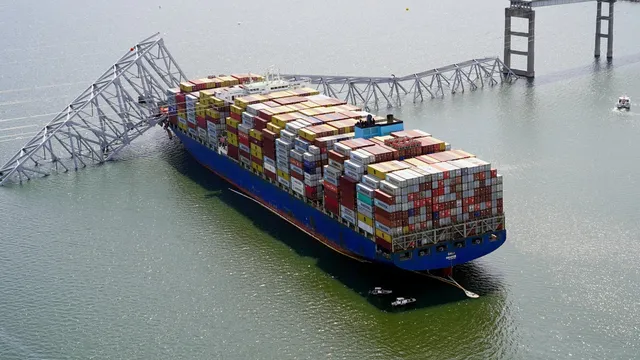
Cargo ship Dali crashes into bridge, killing six construction workers
- The Dali experienced electrical issues and blackouts before the crash.
- Six construction workers were killed when the bridge collapsed.
- The incident highlights the importance of safety protocols and communication.
Story
In March 2024, a container ship named Dali collided with the Francis Scott Key Bridge in Baltimore, resulting in the tragic deaths of six construction workers. The crash occurred shortly after the ship reported two blackouts, which were caused by electrical malfunctions connected to a loose wire. Investigators from the National Transportation Safety Board (NTSB) found that the ship lost power due to an improperly installed wire and faced additional issues with backup systems that failed to function properly during the crisis. The incident significantly disrupted commercial shipping traffic in the Port of Baltimore, highlighting the need for improved safety protocols and better communication with on-site personnel. The aftermath of the crash saw an urgent response from local authorities as they assessed the structural integrity of the bridge and the implications for the community. The Maryland Transportation Authority faced criticism for not addressing the vulnerability of the bridge to maritime traffic, despite evolving standards in the shipbuilding industry. As investigations unfolded, the NTSB pointed out that had the construction workers received timely notifications about the impending danger from law enforcement, they might have had just enough time to evacuate to safer areas of the bridge. The cost of replacing the collapsed bridge has skyrocketed, with estimates rising from $1.9 billion to between $4.3 billion and $5.2 billion, and completion projected for 2030. The NTSB's findings have raised questions about the operation and oversight of the ship’s crew, with particular focus on their use of an inappropriate flushing pump that failed to restart automatically after the initial blackout. This incident serves as a stark reminder of the need for stringent oversight in maritime operations and clear communication in emergency situations to prevent future tragedies. As teams continued to work on removing remnants of the collapsed bridge, the incident has also sparked discussions around regulatory reforms and safety measures aimed at preventing similar incidents. There is a consensus among safety experts that enhancing communication protocols for on-site workers during emergencies could be beneficial in averting disasters caused by maritime accidents.
Context
The report titled "impact of Baltimore port operations after bridge collapse" examines the significant ramifications of the recent infrastructural failure that disrupted operations at the Port of Baltimore. The bridge collapse has had far-reaching effects on logistics, supply chain management, and local economies, which are intricately linked to the flow of goods through one of the East Coast's critical maritime gateways. Following the collapse, immediate disruptions were noted in shipping schedules, leading to delays in both imports and exports, which in turn affected a variety of industries, from manufacturing to retail. The operational hiccup drew attention to the vulnerabilities in our transport infrastructure and highlighted the urgent need for modernization and maintenance to prevent future incidents. As shipping routes were adjusted to accommodate the lack of access caused by the bridge collapse, vessels faced rerouting. These alternative paths often led to longer travel times and increased costs, which can cascade down the supply chain. Importers and exporters have reported rising logistics costs, which will likely be passed on to consumers in the form of higher prices. Additionally, local businesses that rely on timely deliveries from the port faced challenges, resulting in an economic ripple effect throughout the Baltimore region. Moreover, the port's capacity to handle both commercial and cruise ship operations has been called into question, raising concerns over potential revenue losses and long-term implications for the city's economy. In response to the situation, local and federal authorities have mobilized resources to expedite repairs and restore normal operations at the Port of Baltimore. Coordination efforts among various agencies are essential to ensure that the flow of goods can resume as quickly as possible. Temporary measures have been implemented to alleviate some of the logistical bottlenecks, including increased usage of alternative transport routes and enhanced communication with stakeholders in the supply chain. Nonetheless, the bridge collapse underscores a broader issue regarding the infrastructure supporting the port's operations, sparking discussions about investment in upgrades that could enhance resilience against such unpredicted events in the future. In conclusion, the impact of the bridge collapse on Baltimore port operations extends beyond immediate disruptions and raises critical questions about infrastructure integrity and economic vulnerability. As recovery plans are enacted, it’s crucial to consider both short-term fixes and long-term strategies aimed at strengthening the region's transportation framework. The importance of robust infrastructure cannot be overstated, especially as global supply chains continue to evolve and pose new challenges. Learning from this incident will be essential in mitigating risks associated with infrastructural failures in the future, ensuring that the Port of Baltimore can maintain its vital role as a key economic engine for the region.
