
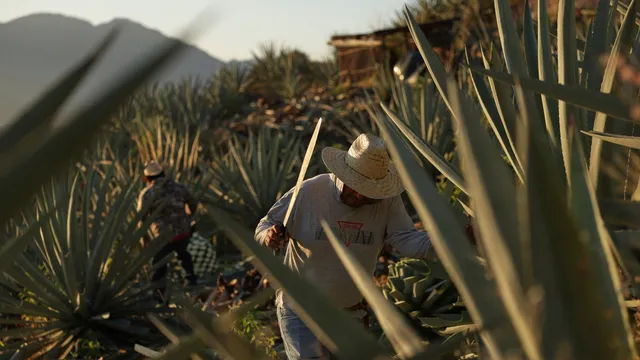
Mezcal boom sparks environmental crisis in Mexico
- Mezcal production in Mexico has skyrocketed, increasing from 1 million liters in 2010 to over 11 million liters in 2024.
- The surge in production has led to the loss of large areas of forests, negatively impacting local ecosystems and communities.
- Economic benefits are being weighed against environmental costs, highlighting the urgent need for sustainable practices in the mezcal industry.
Story
In Mexico, mezcal production has experienced a dramatic increase, escalating from approximately 1 million liters in 2010 to an estimated 11 million liters by 2024. This surge in production can be primarily attributed to the growing popularity of mezcal in international markets, particularly in the United States, which accounts for about 75% of Mexico's mezcal exports. The rise of this industry has not only benefited local economies by providing jobs and supporting families but has also raised significant environmental concerns due to the extensive land use and unsustainable agricultural practices involved in agave cultivation. Significant areas of tropical dry and pine oak forests have been cleared to make room for agave, leading to the loss of about 34,953 hectares over 27 years, an area larger than Detroit. This transformation has resulted in adverse effects, including increased soil erosion, diminished carbon dioxide capture, and heat islands in regions heavily cultivated with agave. Despite the economic advantages that the mezcal boom brings, producers like Luis Cruz Velasco acknowledge the mounting pressure to reconcile profitable production with sustainable agricultural practices. The tension is palpable, as many local communities, historically reliant on mezcal production, grapple with the ramifications of large corporations' entry into the market alongside the need for environmental stewardship. Although companies like Del Maguey are attempting to promote sustainability through tree planting, the structural framework for incentives to preserve biodiversity and maintain traditional farming practices is insufficient. Currently, the Secretary of Environment in Oaxaca has not received any requests for forest clearing associated with agave cultivation. This indicates a lack of formal oversight regarding the environmental impact of the mezcal production boom, raising questions about the future sustainability of the industry as it continues to expand.
Context
The production of mezcal, a traditional Mexican spirit made from the agave plant, has gained significant popularity in recent years, resulting in both economic opportunities and environmental challenges. Understanding the impact of mezcal production on the environment requires examining various factors such as land use, water consumption, and biodiversity. Primarily cultivated in the regions of Oaxaca, mezcal production relies heavily on specific agave species, primarily espadin, which has led to increased demand and pressure on the agricultural landscape. Converting forests and grasslands into agave plantations can lead to deforestation, habitat destruction, and loss of biodiversity, as the natural ecosystems are disrupted. Therefore, sustainable farming practices are essential to mitigate these adverse effects and preserve the rich biodiversity of Mexico's unique ecosystems. Water consumption is another critical aspect of mezcal production that warrants attention. The cultivation of agave requires considerable water resources, especially in arid regions where mezcal is predominantly produced. Over-extraction of water for irrigation can deplete local water supplies, impacting both ecosystems and communities that rely on these resources. Moreover, the process of distillation itself is also water-intensive, necessitating a careful approach to resource management. To combat these issues, implementing rainwater harvesting systems and utilizing more efficient irrigation methods can significantly reduce the environmental impact associated with mezcal production. The socio-cultural aspect of mezcal production should not be overlooked, as it plays a vital role in local economies and traditions. Many small producers and indigenous communities rely on mezcal production as a source of income, often utilizing traditional methods that are less harmful to the environment. Supporting these local producers through responsible consumption and promoting eco-friendly practices can foster a more sustainable mezcal industry. Engaging in certifications for sustainability and organic farming can also provide incentives for producers to adopt environmentally friendly practices, ensuring the preservation of both their livelihoods and the ecosystems. In conclusion, while mezcal production presents economic opportunities, its environmental implications must be carefully assessed and addressed. Encouraging sustainable agricultural practices, implementing water conservation measures, and supporting local producers can significantly reduce the negative environmental impacts associated with mezcal production. As the global demand for mezcal continues to rise, it is crucial to prioritize ecological sustainability while honoring the rich cultural heritage that this spirit embodies. Balancing economic growth with environmental preservation will be key to ensuring the long-term viability of mezcal production in Mexico.
