

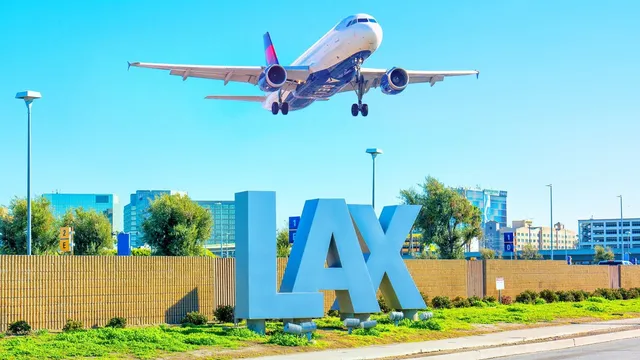
LAX raises ride-hailing fees to combat congestion
LAX raises ride-hailing fees to combat congestion
- LAX board votes to raise fees for ride-hailing and taxi services to combat congestion.
- New fees will start at $6 and can reach $12 for select trips, impacting both passengers and drivers.
- The goal is to encourage the use of the upcoming SkyLink train system, aimed at reducing traffic at the airport.
Story
In a recent move, Los Angeles International Airport (LAX) implemented a fee increase for ride-hailing services like Uber and Lyft, aiming to reduce congestion at the airport. This decision was made by the airport's board and is expected to affect passengers traveling to and from LAX. Currently, ride-hailing companies are charged about $4 per trip; however, the new fee structure raises this to a minimum of $6, and potentially as much as $12 for trips that originate or conclude directly at terminals. This change is also applicable to taxi and limousine services, which previously enjoyed lower rates. The fee increase is part of a broader strategy to encourage passengers to utilize the new automated people mover, SkyLink, which is slated for launch in late 2026. By making it less appealing to use private vehicles for pick-up and drop-off at the airport, the intention is to alleviate traffic issues and ultimately enhance the passenger experience. SkyLink is designed to provide a faster and more efficient means to navigate the airport, with a travel time of only 10 minutes to traverse its 2.25-mile elevated route. Operating at peak hours every two minutes, this train service expects to welcome approximately 30 million passengers annually. Many stakeholders are concerned about the potential repercussions of these fee hikes. Uber has indicated that the changes may lead to a significant loss of earnings for drivers, forecasting around $1,000 less in quarterly income due to the increased fees that will ultimately be passed on to travelers. Comparatively, this new fee structure sets LAX apart as having one of the highest costs associated with ride-hailing in the country, being nearly triple the average fee found at major airports nationwide. The reaction from industries involved has been mixed, with Lyft articulating its support for measures aimed at reducing congestion but also advocating for more inclusive discussions prior to such decisions. With this new policy approaching its implementation, both Uber and Lyft emphasize their commitment to maintaining accessible and affordable rides for the public, illustrating the ongoing challenges in balancing improvements to infrastructure and the operational sustainability of ride-hailing services.


