

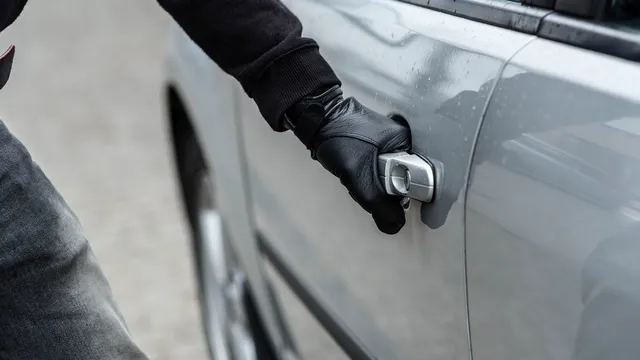
Thieves use technology to steal keyless Nissan Leaf
Thieves use technology to steal keyless Nissan Leaf
- James Moore's keyless Nissan Leaf was stolen by professional thieves who employed advanced car-hacking methods.
- Despite initial panic, the car was found returned to the bottom of the road shortly afterward.
- The incident highlights the vulnerabilities of keyless car technology and raises concerns about car theft prevention.
Story
Recently, a car theft incident occurred involving James Moore, whose keyless Nissan Leaf was stolen from outside his home. This incident took place early in the morning, as Moore received a call from his wife at approximately 6 am alerting him to the theft. Surprisingly, shortly after discovering the car was missing, the couple found it returned at the bottom of their road. Security footage revealed that the thieves were part of a coordinated group who used sophisticated methods to bypass the vehicle's electronic fob security system. James had stored the fob in a Faraday wallet designed to block cloning signals; however, he had not properly secured it, which allowed the thieves to pick up the signal and gain entry to the car. Notably, the CCTV footage showed the thieves struggling with the non-standard throttle installed in James’s vehicle due to a mobility condition, which may have deterred them from stealing the car for resale. The ordeal raised concerns about the ongoing evolution of car theft techniques and the effectiveness of current anti-theft measures. Although James had taken steps to protect his car, including using a Faraday box and a police-recommended steering lock, the incident demonstrated that thieves are becoming increasingly adept at circumventing these security measures. Moreover, this incident serves as a cautionary tale about the vulnerabilities associated with keyless car technology and the ongoing threats posed by organized crime. James ultimately expressed skepticism regarding new laws aimed at curtailing car theft, believing that significant advancements in technology would continue to outpace legislative efforts to combat these crimes.


