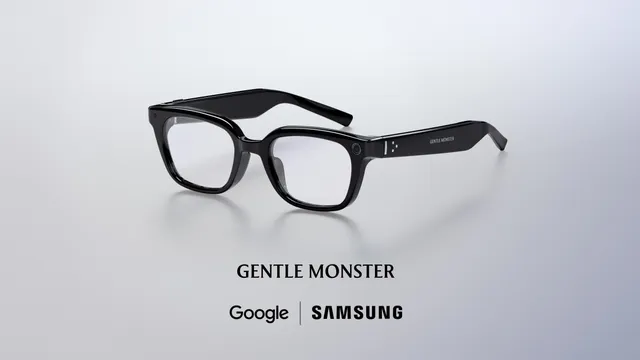
Samsung and Google unveil new smart glasses designs with AI technology
technology
innovative
controversial

Samsung and Google unveil new smart glasses designs with AI technology

21
(Update: )
South Korean multinational electronics corporation
American multinational technology company
American eyeglasses and contact lens retailer
  • The smart glasses will feature Google’s Gemini AI technology.
  • They will be released this fall, including new designs from Gentle Monster and Warby Parker.
  • This launch represents a significant advancement in wearable technology.
Share opinion
2

Story

In a significant development in wearable technology, Samsung and Google are set to launch their new smart glasses this fall. These glasses will feature Google’s Gemini AI, which is expected to enhance user experience through advanced functionalities. The designs for these smart glasses were initially revealed in May, generating considerable excitement among tech enthusiasts and consumers alike. The upcoming release will include two additional designs created in collaboration with Gentle Monster and Warby Parker, two well-known eyewear brands. This partnership aims to combine cutting-edge technology with stylish aesthetics, appealing to a broader audience. The introduction of smart glasses equipped with AI capabilities marks a pivotal moment in the evolution of wearable devices. As technology continues to advance, the integration of AI into everyday items like eyewear signifies a shift towards more interactive and intelligent products. The collaboration between Samsung and Google, two giants in the tech industry, underscores the importance of innovation in maintaining competitive advantage in the market. By incorporating AI, these smart glasses are expected to offer features such as real-time information display, augmented reality experiences, and enhanced connectivity with other devices. The partnership with Gentle Monster and Warby Parker is particularly noteworthy, as both brands are recognized for their unique designs and commitment to quality. This collaboration not only enhances the aesthetic appeal of the smart glasses but also positions them as a fashionable accessory rather than just a technological gadget. The combination of style and functionality is likely to attract a diverse range of consumers, from tech-savvy individuals to fashion-conscious users. As the launch date approaches, anticipation is building around the potential impact of these smart glasses on the market. The integration of Google’s Gemini AI is expected to set a new standard for smart eyewear, paving the way for future innovations in the field. With the growing interest in augmented reality and wearable technology, the debut of these smart glasses could signify a major step forward in how consumers interact with technology in their daily lives.

Context

The impact of smart glasses on the technology market has been profound, reshaping various sectors and influencing consumer behavior. Smart glasses, which integrate augmented reality (AR) and virtual reality (VR) technologies, have transitioned from niche products to mainstream devices, driven by advancements in display technology, battery life, and user interface design. Companies like Google, Microsoft, and Apple have invested heavily in the development of smart glasses, recognizing their potential to enhance productivity, improve user experiences, and create new revenue streams. As a result, the market for smart glasses is projected to grow significantly, with applications spanning from healthcare and education to retail and entertainment. In the healthcare sector, smart glasses have revolutionized the way medical professionals operate. Surgeons can now access critical patient data in real-time during procedures, enhancing precision and reducing the risk of errors. Training programs for medical students have also benefited from the use of smart glasses, allowing for immersive simulations that improve learning outcomes. Similarly, in the education sector, smart glasses facilitate interactive learning experiences, enabling students to engage with complex subjects through visual aids and simulations. This shift towards experiential learning is expected to drive demand for smart glasses in educational institutions. The retail industry has also seen a significant transformation due to smart glasses. Retailers are leveraging this technology to enhance customer experiences, offering virtual try-ons and personalized shopping experiences. By integrating smart glasses with e-commerce platforms, businesses can provide customers with a seamless shopping experience that combines the convenience of online shopping with the tactile experience of in-store purchases. This innovation not only boosts customer satisfaction but also increases sales conversion rates, making smart glasses a valuable tool for retailers. Despite the promising advancements, challenges remain in the widespread adoption of smart glasses. Issues such as privacy concerns, user acceptance, and the need for robust software ecosystems must be addressed to ensure the technology's success. Additionally, the high cost of smart glasses can be a barrier for many consumers and businesses. However, as technology continues to evolve and costs decrease, it is anticipated that smart glasses will become an integral part of everyday life, further solidifying their impact on the technology market.