

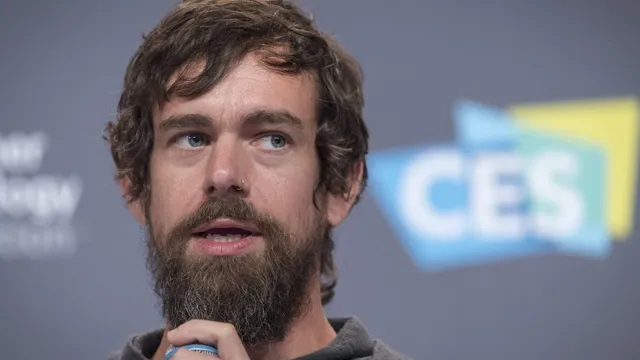
Jack Dorsey revives Vine with a new app diVine
Jack Dorsey revives Vine with a new app diVine
- Jack Dorsey is funding a new Vine app called diVine that brings back 10,000 archived videos.
- The app aims to address the rise of AI-generated content and promote genuine human interactions.
- The initiative reflects a desire to restore user trust in social media platforms.
Story
In November 2025, Jack Dorsey, the former CEO of Twitter, announced his backing for a Vine reboot app called diVine in the United States. This application aims to restore 10,000 archived Vine videos that were believed to be lost, providing users with a nostalgic experience reminiscent of the earlier days of social media. The development is led by Evan Henshaw-Plath, a former Twitter employee, who successfully retrieved popular videos from an archive created by the Archive Team during the original Vine's shutdown. Dorsey’s initiative is funded through his nonprofit organization, 'and Other Stuff', which was established to support experimental open-source projects. DiVine sets itself apart with a mission to combat the dominance of AI-generated content widely seen across various platforms. The application incorporates strong measures, including special filters, aimed at ensuring that only genuine human-created videos are shared. This effort comes at a time when users have become increasingly fatigued by the amount of synthetic media appearing in their social feeds. According to digital strategist Martin Jeffrey, the market has been flooded with AI-generated content, and platforms like YouTube depend heavily on user-generated videos for AI training, which poses a challenge for authenticity. The new app is underpinned by a decentralized protocol called Nostr, which allows it to function independently of venture capitalists and corporate control. Dorsey emphasizes the importance of such technology in preserving content and maintaining user trust. Henshaw-Plath envisions diVine as a way to forge a community that values transparency and originality, as well as a space that encourages users to curate their content based only on genuine human interactions. Despite the challenges posed by larger platforms like TikTok, which recently boasts over 1.59 billion users, the focus remains on building a safe environment where users are confident about the authenticity of content they are consuming. Overall, diVine emerges as a potentially significant counterforce in a social media landscape overwhelmed by AI and algorithm-driven feeds. The founders hope to reclaim the essence of social media from a time when users had more control over their interactions and content consumption. The launch of diVine marks an important step towards restoring trust and encouraging authenticity in an online space currently dominated by artificial intelligence and automated content production.
Context
The impact of artificial intelligence (AI) on social media authenticity has emerged as a critical issue in recent years, particularly as both the technology and its application continue to evolve rapidly. Social media platforms are increasingly integrating AI tools for content moderation, user engagement, and algorithm-driven content delivery. While these tools can enhance user experience and streamline operations, they also raise significant questions about the authenticity of content shared across these platforms. The algorithms that govern social media interactions often prioritize engagement over accuracy, which can exacerbate the spread of misinformation and reduce the overall credibility of content. This dynamic presents a crucial challenge for both users and platform developers, as it undermines the trust that is essential for healthy online discourse. As AI-driven content generation tools gain traction, they blur the lines between genuine human-created content and machine-generated material. These tools can produce text, images, and videos that mimic human creativity, leading to an increase in content that may be perceived as authentic, while in reality, it lacks originality. This proliferation of AI-generated content can mislead users and distort public perception of social issues. Furthermore, the potential for AI to create convincingly deceptive media, often referred to as "deepfakes", adds another layer of complexity to the discussion of authenticity, making it increasingly difficult for users to discern fact from fiction in a digital landscape flooded with manipulated information. The effects of AI on authenticity in social media are also exacerbated by the phenomenon of echo chambers and filter bubbles, where users are primarily exposed to content that aligns with their pre-existing beliefs. As algorithms curate content based on user preferences, they can foster environments where misinformation thrives, as individuals may only engage with perspectives that reinforce their views. In these spaces, the effects of AI are magnified, as users inadvertently contribute to the amplification of disinformation while believing they are consuming authentic content. Consequently, this creates a vicious cycle that further erodes trust in social media as a credible information source. Addressing the challenges posed by AI on authenticity in social media requires a multifaceted approach. Social media companies need to invest in developing more transparent algorithms that prioritize credible sources of information, thus fostering a healthier online ecosystem. Additionally, users must be educated on how to critically evaluate the content they encounter, encouraging proactive engagement in locating accurate information. By combining technological advancements with informed user practices, there exists an opportunity to mitigate the issues of authenticity and trust within social media, ultimately creating a more reliable digital landscape.


