

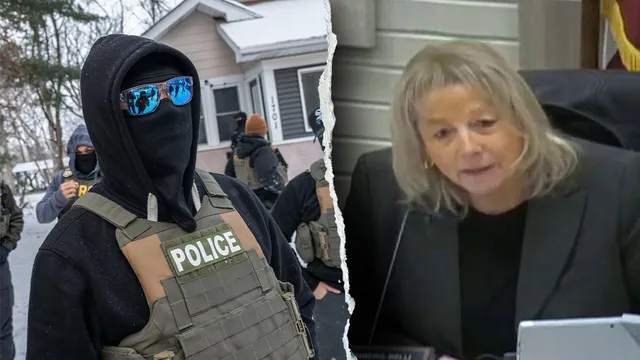
Tiffany Cross claims ICE agents are tied to white supremacy
Tiffany Cross claims ICE agents are tied to white supremacy
- Tiffany Cross accused ICE agents during a CNN debate of having tattoos indicating white supremacist affiliations.
- Kevin O'Leary challenged Cross's claims, suggesting they were unfounded and exaggerated.
- The debate reflects increasing tensions and public scrutiny surrounding the actions of ICE and immigration policies in the U.S.
Story
In a recent CNN debate, Tiffany Cross, a former MSNBC host, made controversial accusations against Immigration and Customs Enforcement (ICE) agents, claiming they are associated with white supremacy. This debate, which escalated tensions surrounding immigration enforcement in the United States, saw Cross referencing specific tattoos on ICE officers as indications of their alleged affiliations. Kevin O'Leary challenged Cross’s assertions, questioning her claims about ICE officers being akin to militia members, particularly linking them to the Proud Boys group known for its far-right ideology. Throughout the discussion, Cross maintained that the behaviors and ideologies of ICE agents were reminiscent of those seen in extremist groups, particularly citing patterns in violence and tactics similar to those used by the Proud Boys. O'Leary pushed back against these claims, indicating that Cross was overreaching with her comments. The debate highlighted the growing concern over ICE activities and their portrayal in the media, especially following incidents of violence involving federal agents. In conjunction with this discussion, actress Molly Ringwald released a statement on her social media platforms warning of the potential repercussions for those who support ICE actions. She drew parallels with historical instances of collaboration with oppressive regimes, suggesting that individuals who do not protest ICE's actions may face accountability in the future. Ringwald condemned what she described as inhumane treatment practices by ICE, calling on individuals to recognize their moral responsibility and humanity in the face of government actions she categorized as brutal. The implications of such discussions reveal a significant divide in public opinion regarding ICE and immigration policies. Critics like Cross and Ringwald frame ICE's operations within a narrative of human rights violations, while supporters of the agency argue that their efforts are crucial for national security. The ongoing debates surrounding these issues demonstrate the complex and often contentious nature of immigration enforcement in the contemporary United States, suggesting that this discourse will continue to unfold as society grapples with these critical questions of justice, morality, and safety.


