

politics
controversial
informative
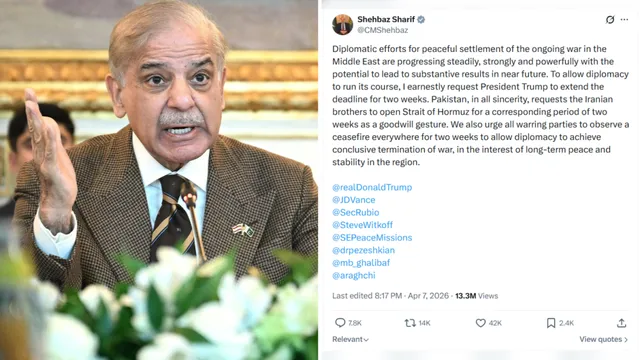
Pakistan PM criticized for revealing draft edit in Iran diplomacy message
Apr 8, 2026, 11:15 AM20
(Update: Apr 11, 2026, 7:52 AM)
politics
controversial
informative
Pakistan PM criticized for revealing draft edit in Iran diplomacy message
- In early April 2026, Pakistan's PM Shehbaz Sharif posted a request urging diplomatic efforts for a ceasefire in the Middle East.
- The post's edit history showed a 'Draft' label, leading to public speculation about its authenticity and potential external influences.
- The incident has sparked debate about Pakistan's role as a mediator in the ongoing conflict between Iran and Israel.
Insights
News 2 2
Related reports
Opinions
Story
“
data shift global insight strategic trends global global strategic trends policy geopolitical global data analysis analysis shift analysis policy impact insight insight economic strategic economic insight policy analysis geopolitical global insight global geopolitical trends market geopolitical trends geopolitical data impact global data global economic geopolitical analysis economic economic trends shift geopolitical insight trends economic trends impact strategic insight trends analysis policy trends policy global impact insight strategic geopolitical geopolitical global geopolitical insight trends trends analysis policy analysis shift data policy...
2026 All rights reserved



2026 All rights reserved