
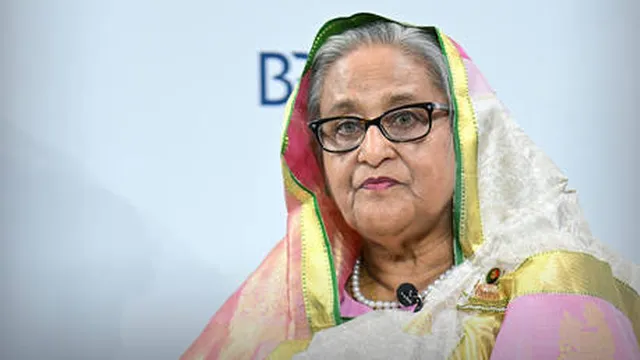
Bangladesh demands India return Sheikh Hasina after death sentence
- Bangladesh's interim government has requested India extradite Sheikh Hasina and Asaduzzaman Khan Kamal, both sentenced to death.
- The verdict follows violent protests in 2024 that resulted in significant casualties, leading to accusations of crimes against humanity.
- Tensions between Bangladesh and India may escalate depending on India's response to the extradition request.
Story
In a significant escalation of tensions between Bangladesh and India, the interim government of Bangladesh has demanded the extradition of former Prime Minister Sheikh Hasina and former Interior Minister Asaduzzaman Khan Kamal. Both individuals were sentenced to death by the International Crimes Tribunal for crimes against humanity related to their involvement in a violent crackdown on protests in 2024. The ruling marks a critical moment in Bangladesh's political history, given that it stems from accusations of deploying lethal force against demonstrators during widespread unrest linked to state job quota disputes. The tribunal's decision, announced recently, indicates the gravity of the allegations against Hasina and Khan. The interim government claims that the crackdown resulted in significant casualties, with some estimates placing the death toll as high as 1,400 during protests that erupted last year. Following the uprising that led to the fall of Hasina's party, the Awami League, Hasina and Khan fled to India. Their legal situation in Bangladesh remains precarious, as any appeals they wish to file must occur within a strict 30-day timeline from the date of their sentencing. This legal framework places them in a vulnerable position, complicating their ability to contest the tribunal's ruling. Bangladesh's interim administration, led by Nobel Laureate Mohammad Yunus, has been vocal in its calls for India to comply with the extradition treaty established between the two nations in 2013. The treaty aims to enhance collaboration on law enforcement and combating crime. The Bangladeshi government framed their demand as an obligation for India, creating a diplomatic challenge that may put India's relations with Bangladesh to the test. For its part, India's Foreign Ministry expressed its awareness of the ruling but did not commit to sending Hasina and Khan back to Bangladesh, indicating the complexities surrounding the extradition request. The international implications of this situation speak to broader concerns regarding human rights, governance, and regional stability. The unrest following the tribunal's verdict has already sparked protests across Bangladesh, highlighting the continued volatility in the nation. Critics of the tribunal's ruling, including Kamal, accused the judiciary of being compromised and stated that the legal process had been manipulated by outside forces. This sentiment has raised questions regarding the fairness and legitimacy of the trial, drawing attention from international observers and potential human rights advocates who have taken interest in the unfolding events in Bangladesh. As developments continue, the interplay between India's role in the extradition and the internal political landscape of Bangladesh will be significant to monitor. The ramifications of the ruling and its aftermath could reshape not only the political future of Bangladesh but also its relationships with neighboring countries. This situation underscores a critical moment for justice, governance, and political accountability in Bangladesh, setting the stage for future confrontations and possible diplomatic adjustments in the region.
