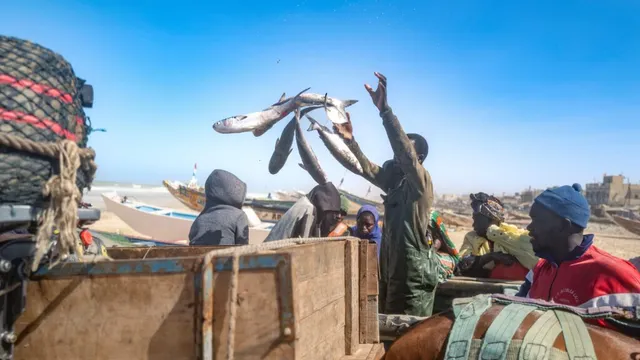
In Senegal, the development of the Grand Tortue gas field has raised significant concerns among local fishing communities. The gas field, operated by BP with a 56 percent stake, is situated in the traditional fishing grounds of local fishermen in Saint Louis. As the gas platform and associated LNG-terminal have been established, access to these vital fishing areas has been restricted, leading to a decline in the livelihoods of artisanal fishermen. Reports indicate that fishermen have faced threats and dangerous encounters with navy vessels, further exacerbating their precarious situation. The government of Senegal is pursuing an economic development strategy that relies heavily on the LNG sector, aiming to transform the country into a middle-income nation and achieve energy independence. However, this focus on gas development has raised alarms about the long-term sustainability of local fishing communities, which are crucial for food security and economic activity in the region. The Senegalese government has also signed a Just Energy Transition Partnership with several countries, aiming to build clean energy infrastructure and increase the share of renewable energy in the national energy mix. Despite these efforts, there remains a lack of long-term plans for renewable energy development, leaving fishing communities vulnerable to the impacts of gas extraction and environmental changes.