

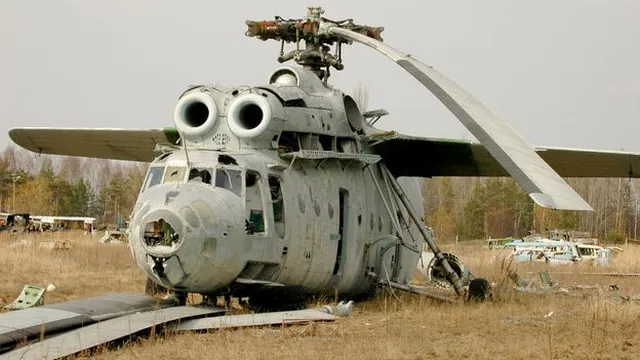
Many vehicles from Chernobyl cleanup have been removed from exclusion zone
Many vehicles from Chernobyl cleanup have been removed from exclusion zone
- A significant number of vehicles were used for cleanup after the Chernobyl disaster in 1986.
- Many of these vehicles remain in disuse, with reports indicating they are now missing from the landscape.
- The removal of these vehicles reflects ongoing changes in the exclusion zone's approach to resources and historical preservation.
Story
The Chernobyl disaster, which occurred in 1986, resulted in widespread contamination and devastation, leading to significant cleanup efforts involving a large number of vehicles. These vehicles were brought in to manage and control the radioactive aftermath, working in the highly contaminated exclusion zone. Over the years, the remnants of this cleanup effort, including army scout cars and demolition vehicles, have been left to rust. Reports from 2018 indicate that a considerable amount of these logged vehicles was no longer visible, as many had been dismantled or salvaged for scrap metal, particularly around the Rassokha area, where significant cleanup had originally taken place. Phil Coomes, a journalist who visited the exclusion zone around the time of the disaster, described his experiences and noted that during his trip, guided tours revealed empty fields where many military vehicles once stood, diminishing the landscape that once symbolized the disaster's aftermath. This observation was corroborated by Kamil Budzynski, who tracked changes in the area through satellite imagery dating back to 2012 and 2013, noting that the main field, once filled with vehicles, had been cleared. The reduction in visible cleanup vehicles may reflect a broader trend of salvage and decay, as the initial urgency to contain the disaster gave way to scavenging and looting as parts from various vehicles were valuable on the market. Early years after the disaster saw significant looting, making it difficult to maintain the integrity of the area. Over time, efforts to preserve the remaining structures have led to decisions regarding what remains in the exclusion zone, raising questions about priorities in remembering the past. Budzyński highlighted that by 2018, the scene was starkly different, with most of the vehicles gone or repurposed through local initiatives. This shift points to a growing recognition of the need to recover resources while still confronting the historical implications of one of the worst nuclear disasters in history. While there's been some focus on the remaining abandoned sites, the physical remnants of the cleanup indicate a gradual evolution in how societies engage with their past amid ongoing safety concerns. The Chernobyl exclusion zone remains a crucial site for understanding the long-term consequences of nuclear accidents and the complexities of historical preservation versus resource management.


