

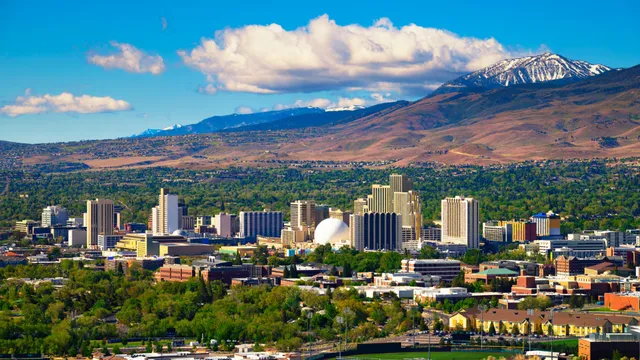
Reno experiences alarming rise in summer temperatures over decades
Reno experiences alarming rise in summer temperatures over decades
- A new analysis reveals that Reno, Nevada, has experienced the highest increase in average summer temperatures among U.S. cities, rising by 11.3 degrees Fahrenheit since 1970.
- The study indicates that human-caused climate change is the leading factor in summer warming for 91 percent of the cities analyzed.
- These findings highlight the urgent need for climate action as rising temperatures pose significant health risks and challenges for urban infrastructure.
Story
In the United States, a recent analysis of temperature data has revealed significant increases in summer heat across various cities, particularly in the West and Southwest regions. The research, published by Climate Central on May 20, 2023, highlights that Reno, Nevada, has experienced the most dramatic rise in average summer temperatures, with an increase of 11.3 degrees Fahrenheit since 1970. This study examined 243 major U.S. cities, finding that 97 percent have seen summer warming, with the Northwest, Southwest, and South experiencing the most pronounced changes. The analysis indicates that human-caused climate change is the primary driver of summer warming in 221 of the 243 cities studied, accounting for approximately 91 percent of the cases. The findings underscore the vulnerability of fast-growing cities in arid and semi-arid regions, where urban development has replaced natural landscapes that previously provided cooling effects. As cities like Reno and Boise expand, the loss of vegetation and agricultural land exacerbates temperature increases, making these areas particularly susceptible to extreme heat. The implications of rising summer temperatures are significant for residents, as even a few degrees increase can lead to more frequent and intense heatwaves. The data shows that nearly every city analyzed now experiences more hotter-than-normal summer days compared to the early 1970s, with an average increase of 22 such days. This rise in temperature not only affects daily life but also poses serious health risks, especially for vulnerable populations such as older adults, low-income households, and those with chronic illnesses. As the climate continues to warm, the consequences for infrastructure, public health, and overall quality of life in these cities will likely become more severe. The findings serve as a stark reminder of the urgent need for climate action and adaptation strategies to mitigate the impacts of rising temperatures on communities across the United States.


