

Trump's approval rating with independents plummets ahead of State of the Union
Trump's approval rating with independents plummets ahead of State of the Union
- Trump's approval rating among independents has reached a record low of 26 percent, complicating midterm strategies for the Republican Party.
- Recent polling reveals that only 39 percent approve of Trump's handling of the economy, indicating growing dissatisfaction among voters.
- The significant decline in approval ratings signals potential challenges for Trump and the GOP heading into the crucial 2026 midterm elections.
Story
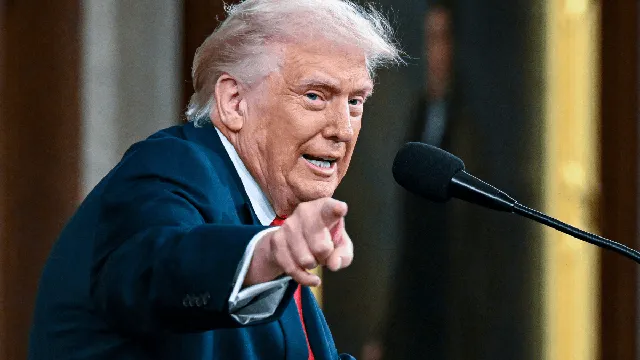
In the United States, Donald Trump is experiencing a significant drop in voter trust and approval ratings ahead of his State of the Union address. Recent polling indicated that his approval rating among independents had fallen to a record low of 26 percent. The survey, conducted by SSRS online, highlights a broader trend of dissatisfaction among American voters, specifically regarding the economy, where 39 percent approve of his handling, while 59 percent disapprove. The polling period spanned from February 17 to February 20, which coincides closely with the current date of February 25, 2026, emphasizing the growing discontent just a few days before his address. If this trend continues, it could complicate the Republican Party's strategies for the upcoming midterm elections, particularly as independents are a crucial demographic. The findings showcase a notable shift in public perception since Trump's earlier term, indicating increased scrutiny of his economic policies and their outcomes for American families. Furthermore, many voters expressed a desire for Trump to address economic issues and solutions during the State of the Union, reflecting their urgent concerns over rising living costs and overall economic dissatisfaction. As Trump prepares for his speech, the political implications of these polling results could determine not only his messaging strategy but also the political landscape heading into the crucial midterm races.
Context
The impact of independent voters on midterm elections has become a crucial factor in understanding electoral outcomes in the United States. Independent voters, who do not align strictly with the major political parties, have grown in number and significance over recent election cycles. Their preferences and behaviors can sway elections, making them a key demographic for both parties to target. In the last few midterm elections, independents have played a crucial role not only in determining winners but also in influencing party strategies and campaign approaches. As they often prioritize issues and candidates over party affiliation, their voting patterns can be unpredictable, influencing race outcomes and party control in Congress. Midterm elections typically see lower voter turnout compared to presidential elections, and the type of voter that does turn out can vary significantly. Historically, midterms have favored the party not holding the presidency, often leading to a shift in power in Congress. However, independent voters have been pivotal in recent contests, particularly as polarization in American politics has intensified. Their appeal often lies in the desire for pragmatism over partisanship, and this demographic tends to support candidates who focus on moderate and bipartisan solutions. In close races, their votes can make up a decisive majority, shifting control from one party to another. In addition to influencing specific races, the motivations and concerns of independent voters can sometimes dictate the national narrative of midterm elections. Issues such as the economy, healthcare, immigration, and climate change can resonate strongly with independents, potentially swinging them towards candidates who prioritize these concerns. Candidates who are able to address the issues that matter to independents while maintaining a moderate stance often perform better. As a result, many candidates focus on outreach efforts aimed specifically at this group, attempting to articulate a vision that aligns with their values. The increasing prominence of independent voters signals a shift in the political landscape, as more Americans identify as independent rather than aligning with traditional party affiliations. This trend challenges both major parties to rethink their platforms and campaign strategies. The ability to appeal to and secure the independent vote may very well determine the future of midterm elections and the dynamic of Congress. As the electorate continues to evolve, understanding the motivations and behaviors of independent voters will remain a critical area of focus for political analysts and strategists alike.


