

Japan's bus industry turns to Indonesian drivers amid worker shortage
Japan's bus industry turns to Indonesian drivers amid worker shortage
- A driving school in Central Java prepares Indonesian students to meet Japan's bus driver shortage by teaching language and traffic rules.
- Many Indonesian trainees have received job offers from various bus companies in Japan due to their familiarity with Japanese vehicles.
- This collaboration aims to alleviate Japan's workforce issues while providing employment opportunities for Indonesian drivers.
Story
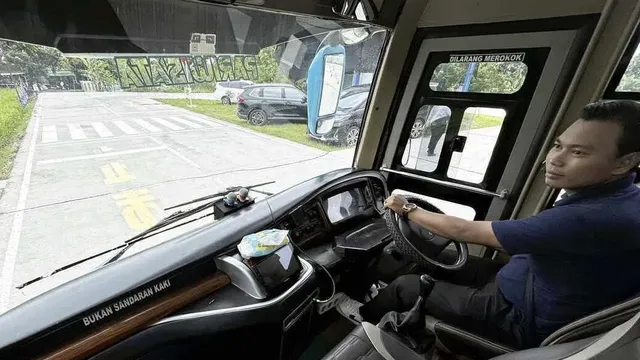
In Indonesia, Japanese-style driver training has gained traction due to Japan's pressing labor shortage in the bus industry. The Japan Indonesia Driving School, located in Karanganyar, Central Java, provides education in both Japanese language and traffic rules, aiming to prepare Indonesian trainees for driving jobs in Japan. Established before March 2024, shortly after Japan introduced the ‘specified skilled worker’ visa for foreign drivers, this initiative opens up routes for Indonesians securing employment in Japan's transportation sector. The school’s curriculum emphasizes the similarities between Indonesia's and Japan's driving regulations, such as driving on the left side of the road. This makes it easier for trainees like 32-year-old Jejen Kurniawan, who hopes to become a trusted bus driver in Japan to provide a better future for his family. The training includes practical driving experience with Japanese-style stop signs and railroad crossing warnings, which facilitates understanding and adaptation. As Japan continues to recruit foreign talent, it comes amid growing concerns over the sustainability of its transportation systems, particularly in regions like Aichi prefecture. Companies such as Nagoya-based Meitetsu Bus have already begun hiring Indonesian drivers from the program. Three trained drivers, already holding Class 2 licenses, were recently employed by Meitetsu Bus and are undergoing route training. Their recruitment was influenced by cultural compatibility and perceived professionalism, highlighting the collaborative efforts between Japan and Indonesia in addressing workforce needs. The ongoing engagement has drawn interest from various sectors, including local governments and private bus companies, striving to maintain efficient public transport systems. Over the next year, many Indonesian trainees are expected to transition to Japan, facilitating stronger labor ties and providing mutual benefits in filling essential roles within Japan's transportation landscape.


