

Fed prepares for contentious rate cut amid economic concerns
Fed prepares for contentious rate cut amid economic concerns
- The Federal Open Markets Committee is preparing for a meeting where a rate cut is expected.
- Divisions within the committee are apparent regarding the balance between inflating concerns and a weak labor market.
- Market movement is likely to be on hold until the Fed announcement, signaling a cautious approach.
Story
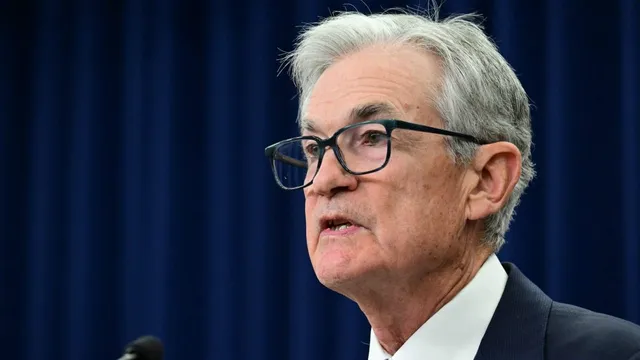
On December 9, 2025, the Federal Open Markets Committee of the U.S. Federal Reserve is anticipated to meet and announce a reduction in interest rates by 0.25%. This decision comes amidst a tense atmosphere within the committee, where divisions are apparent regarding the approach to handle inflation and employment concerns. Chair Jerome Powell is expected to showcase his ability to unify policymakers in favor of this cut, even as inflation remains high and labor market data appears weak. Recent statements from Fed members reveal a more profound concern regarding the employment situation than about rising inflation. This shift in focus on labor markets raises the likelihood of a reduction in rates to 3.5%, marking the sixth cut since September 2024. Analysts predict dissenting votes from three Fed officials, indicating that consensus on rate cuts could be more challenging than usual. The backdrop for this uncertainty is further complicated by external factors such as a lack of recent federal data due to a government shutdown. With varied opinions on the economy's trajectory, Powell's leadership will be crucial as the committee navigates the conflicting objectives of maintaining low inflation and fostering employment growth. Economists have suggested that despite the anticipated cut, Powell will likely stress a pause on further reductions in the near term, as they assess the economy’s condition following the cut. In summary, the upcoming FOMC meeting is a pivotal moment for the Fed and is expected to set important precedents for monetary policy under Powell's leadership. The overall market sentiment indicates that significant movement will likely occur only after the Fed's announcement, with traders currently awaiting clarity on future economic direction.
Context
The impact of Federal Reserve interest rate cuts on the labor market is a subject of significant interest among economists and policymakers. Typically, when the Fed reduces interest rates, borrowing becomes more affordable for consumers and businesses. Lower interest rates can stimulate economic activity, as they encourage spending and investment. This increased economic activity can lead to higher demand for goods and services, resulting in businesses needing to hire more workers to meet this demand. Consequently, a reduction in interest rates tends to create a more favorable environment for job growth and can lower the unemployment rate, especially during periods of economic slowdown or recession. Moreover, lower interest rates can have an indirect effect on the labor market by influencing labor force participation rates. When borrowing costs decline, individuals may feel more confident in starting their own businesses or pursuing further education, thus increasing the overall labor supply. The effects of interest rate cuts can also vary across different sectors of the economy. For instance, industries such as construction and manufacturing, which are heavily reliant on financing, may experience more rapid growth and job creation following rate cuts compared to sectors less sensitive to interest rate changes. However, it is essential to consider the potential long-term impacts of sustained low interest rates. While short-term rate cuts can boost the labor market, prolonged low rates may lead to distortions in the economy, including asset bubbles and reduced savings rates among households. This could ultimately jeopardize long-term economic stability and labor market health. Additionally, if interest rates remain low for an extended period, they may signal to investors a prevailing economic weakness, potentially stalling business expansion and job growth. In summary, while Fed interest rate cuts can provide an initial boost to the labor market, promoting job growth and reducing unemployment in the short term, their long-term implications require careful consideration. Policymakers must weigh the benefits of immediate economic stimulation against the risks of fostering an unsustainable economic environment. A balanced approach that considers both immediate labor market needs and long-term economic health will be crucial for ensuring sustained employment growth and economic stability.


