

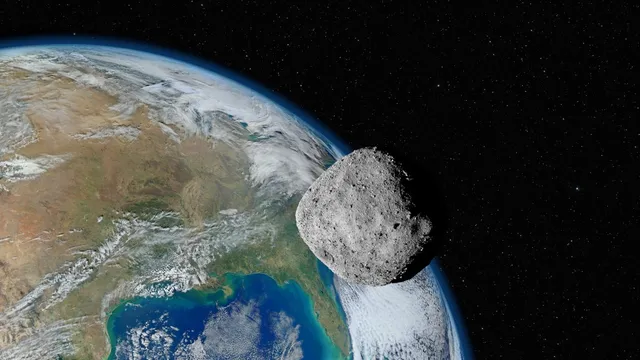
NASA reports bus-sized asteroid set to pass Earth today
NASA reports bus-sized asteroid set to pass Earth today
- NASA detects asteroid 2026 KC1, about 27 feet wide, approaching Earth today.
- The asteroid will pass at a distance of 304,000 miles at a speed of 45,522 mph.
- This highlights the ongoing efforts by NASA to monitor and track near-Earth asteroids.
Story
Today, May 22, 2026, NASA is monitoring the bus-sized asteroid designated as 2026 KC1, which is on a trajectory to pass relatively close to Earth at a speed of 45,522 miles per hour. The asteroid measures approximately 27 feet in diameter and will make its closest approach at a distance of 304,000 miles from the planet. This event is part of a busy day for asteroids, as more are expected to approach Earth not only today but also on Saturday. Among them is another bus-sized asteroid, 2026 JE1, which will pass within 694,000 miles. These events highlight the ongoing and active monitoring of near-Earth objects by space agencies like NASA. While small asteroids like 2026 KC1 and others pose no direct threat to life on Earth, they are reminders of the larger processes at work in our solar system. Asteroids are considered remnants from the early solar system, mainly found in the asteroid belt located between Mars and Jupiter, and striking Earth roughly every decade. The majority of these impacts do not cause significant damage, leading to bright fireballs instead of destruction. However, NASA tracks the more significant threats such as larger asteroids, which can lead to local or even global disasters. Asteroids, like those measuring 160 feet and larger, may impact Earth every 1,000 years and have the potential to cause serious consequences. More alarming are massive asteroids over 3,000 feet, statistically hitting our planet every 700,000 years, posing a threat to civilization itself. Today’s monitoring comes as a proactive measure by NASA and their Jet Propulsion Laboratory to ensure safety and readiness against any potential threats from space. With technology improving continuously, NASA is better equipped than ever to respond to these challenges. By maintaining a vigilant watch over incoming asteroids and sharing this information, agencies aim to keep the public informed and prepared for any celestial events that might occur in the future.


