

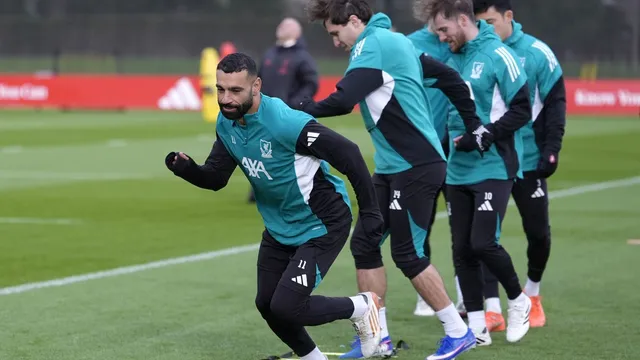
Mohamed Salah returns to Liverpool amid uncertainty over his future
Mohamed Salah returns to Liverpool amid uncertainty over his future
- Mohamed Salah returned to Liverpool after AFCON duty, raising concerns about his future.
- He had previously expressed frustration with the club and his lack of playing time.
- As the team prepares for a Champions League match, issues surrounding fan safety in France loom large.
Story
In January 2026, Mohamed Salah, the Egyptian forward, made his return to Liverpool after participating in the Africa Cup of Nations (AFCON) tournament in Morocco. Leading up to his departure, there were ongoing discussions about his future with the club as he had recently expressed frustration over his treatment, accusing Liverpool of throwing him 'under the bus' following a difficult stretch of performances. Salah’s comments came after a chaotic draw against Leeds United, where he also indicated a breakdown in his relationship with manager Slot. During his absence, Salah was in touch with his teammate Dominik Szoboszlai, who confirmed their communication but refrained from revealing details about Salah’s mindset during the AFCON. Upon his return, Salah participated in training as the Liverpool team prepared for a Champions League match against Marseille. The match added an extra layer of tension due to Liverpool’s past experiences with policing in France, where traveling supporters have faced aggressive treatment from law enforcement. The situation surrounding Salah and Liverpool exemplifies the larger issues within the team's dynamics, especially his fit within the squad. Despite being a key player, Salah found himself sidelined for three matches, raising questions about his role. Liverpool faces critical times as they aim to reclaim a top-eight position while addressing the current morale within the team, particularly with players like Szoboszlai trying to recover from mistakes made in previous games. As Liverpool prepared for their return to France, concerns rose around security and the safety of fans, recalling past incidents of heavy-handed policing that marred football fixtures in the country. The atmosphere surrounding European matches has increasingly become fraught with tension, highlighting the need for improved treatment of supporters to avoid further issues. The culmination of these events underscores the urgent need for Liverpool to find clarity moving forward, both for Salah's future and the club's overall strategy in managing player relationships and fan experiences.
Context
The history of police treatment of football fans in France is a complex narrative marked by evolving practices, legislation, and public sentiment. France has a storied football culture, and with it has come significant challenges related to crowd control and the management of fan behavior. Over the years, various incidents of violence and disorder at matches have prompted police forces to adopt increasingly strict measures aimed at ensuring safety and order. Early instances of fan violence in the 1980s and 1990s led to a legislative backlash, resulting in tougher laws aimed at discouraging aggressive behavior. The establishment of specialized police units to handle football-related incidents signified a dedicated approach to mitigating risks associated with large gatherings of passionate supporters. During the late 1990s and early 2000s, the French police intensified their surveillance and policing strategies during football events. The introduction of measures such as banning orders and increased use of CCTV further illustrated a trend towards treating football fans with a level of suspicion typically reserved for criminal elements. This shift laid the groundwork for a fraught relationship between police and supporters, as fans often felt they were being unfairly targeted and subjected to excessive control. Events such as the incidents surrounding the 2000 UEFA European Championship showcased the tension between fans seeking to celebrate their passion for the game and police forces aiming to preempt potential unrest. As we moved into the 2010s, the landscape of football fan treatment began to evolve again. The impact of the 2016 attacks in Paris reshaped public perceptions of safety, leading to an increased militarization of police responses to football matches. Security measures tightened significantly, with heightened police presence both inside and outside stadiums. The use of body cameras and electronic devices to monitor fan behavior became more commonplace, raising questions about the balance between ensuring safety and infringing on civil liberties. These developments sparked debates about what constitutes reasonable policing and how to effectively manage large crowds without vilifying those who attend matches primarily for enjoyment. In more recent years, the collaboration between police authorities and fan groups has seen some improvement, as both sides recognize the importance of dialogue to address concerns. Initiatives aimed at reducing violence and fostering a safer environment for fans have made headway, indicating that, despite a tumultuous past, there is hope for a more cooperative future. Nonetheless, issues regarding the over-policing of fans and incidents of police brutality continue to emerge, demonstrating that the relationship between football supporters and police forces in France remains a fraught and evolving dynamic. Understanding this history is crucial for addressing current challenges and managing the future landscape of football in the country.


