

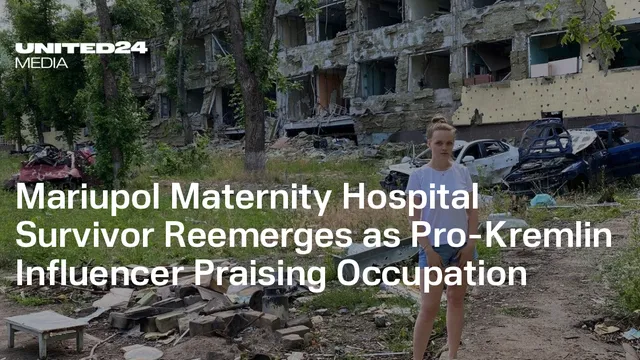
Marianna Vyshimirskaya becomes pro-Kremlin influencer after surviving Mariupol bombing
Marianna Vyshimirskaya becomes pro-Kremlin influencer after surviving Mariupol bombing
- Marianna Vyshimirskaya was photographed as she evacuated from a bombed maternity hospital in Mariupol in March 2022.
- Following her experience, she has transformed into a pro-Kremlin blogger who praises reconstruction in the occupied city.
- Her narrative raises concerns about the potential disconnection from the realities faced by many displaced residents.
Story
In March 2022, Mariupol, Ukraine, experienced a brutal siege that resulted in extensive destruction, with a significant loss of housing and life. Among the survivors was Marianna Vyshimirskaya, who became an emblem of the invasion after being photographed leaving a bombed maternity hospital. Since then, she has transitioned from documenting her survival to becoming a pro-Kremlin lifestyle blogger advocating for Vladimir Putin and praising reconstruction efforts in the occupied city. Her online presence has largely focused on elements of improvement in Mariupol, downplaying the ongoing challenges faced by many residents and the fact that much of the city remains in ruins. Vyshimirskaya's shift in narrative has attracted attention due to her connections with influential figures within the Russian government, including former Central Bank deputy Alexander Torshin and businessman Oleg Khusnullin. Their support has enabled her to deliver humanitarian supplies to Russian troops and engage in charitable activities. While her blog presents a façade of recovery and stability in Mariupol, it contrasts starkly with the lived experiences of displaced residents who are struggling to recognize their transformed city, with many having lost their homes and property. More than three years post-capture, Russia has invested heavily in the city's reconstruction, erecting new apartment complexes and restoring some landmarks while failing to address significant underlying issues, such as water shortages and the status of displaced Ukrainians. Legal barriers prevent many from returning to their homes, as ideologically driven entry requirements to Mariupol enforce a system that benefits only those conforming to pro-Russian narratives. This creates a stark divide between narratives of revitalization and the painful truth faced by many former residents who are barred from reclaiming their lives. As the Kremlin promotes an image of recovery, the city still bears the scars of its intensive bombardment, raising questions about the authenticity of reported improvements. Though some residents celebrate the new developments, many others criticize the reconstruction efforts as superficial and reminiscent of a Potemkin village, which obscures the ongoing struggles and displace realities of life in Mariupol. The lingering presence of war remains undeniable beneath the surface of new facades and rebuilt infrastructures.


