

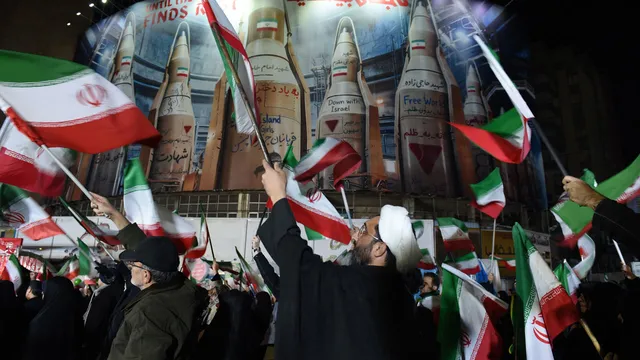
Iran denounces US military strikes as ceasefire violation
Iran denounces US military strikes as ceasefire violation
- On May 26, U.S. military conducted airstrikes in Iran's Hormozgan province during ongoing peace negotiations.
- Iran accused the U.S. of a gross violation of the ceasefire, vowing to respond decisively.
- The recent military actions threaten to undermine the fragile diplomatic efforts between the two nations.
Story
On May 26, 2026, in Iran's southern Hormozgan province, U.S. military forces conducted airstrikes targeting Iranian missile sites and naval vessels. These strikes coincided with ongoing peace talks mediated by Qatar, where Iranian negotiators were discussing terms to end a months-long conflict, initiated by U.S. and Israeli attacks on February 28. Iran's government responded by declaring the U.S. actions a 'gross violation' of the agreed ceasefire. The Iranian Foreign Ministry held the U.S. accountable for the consequences of its strikes, emphasizing that Iran would not tolerate any act of aggression against its sovereignty. The conflict has resulted in significant international tensions, impacting the global oil market and contributing to rising energy prices. Following these airstrikes, which the U.S. claimed were necessary for self-defense, Iran asserted its commitment to taking decisive action in response to any violation of the ceasefire agreement. The Iranian military warned of potential retaliatory measures against U.S. interests in the region. Meanwhile, officials from the U.S. government, including Secretary of State Marco Rubio, expressed that while the ceasefire talks continued, military operations were justified to protect American troops stationed in the area. Analysts are divided on the prospects of successful diplomacy amid the escalating military actions. Prior to the strikes, there had been optimism that a memorandum of understanding could be reached that would include extending the ceasefire and reopening the essential Strait of Hormuz, through which a significant percentage of the world's oil passes. However, ongoing military engagement may jeopardize those discussions, especially given the complexities surrounding Iran's nuclear program and its demand for the release of frozen funds. Observers note that unless trust is rebuilt between the U.S. and Iran, the likelihood of a lasting resolution remains uncertain. Overall, this recent escalation highlights the fragile nature of U.S.-Iran relations and underscores the difficulty in navigating the path towards peace. With both nations now on edge following the strikes and the Iranian threats of a strong response, the question remains whether diplomatic efforts can withstand the pressure of military provocations that threaten to unravel months of intermittent calm.
Context
insight geopolitical market trends economic shift market market market shift policy trends impact strategic analysis impact geopolitical geopolitical geopolitical impact analysis insight economic policy economic shift global data strategic data analysis geopolitical economic global analysis policy analysis impact strategic economic strategic trends analysis shift insight insight impact economic economic policy market policy market policy data policy market geopolitical policy market insight impact market shift strategic analysis insight market trends global shift policy geopolitical policy analysis insight impact data data analysis...


