

California takes charge by selling affordable state-branded insulin
California takes charge by selling affordable state-branded insulin
- California has initiated the sale of state-branded insulin to address high prescription drug prices.
- Several states, including Connecticut and California, are increasing their minimum wage, reflecting a broader trend of wage reform.
- These new laws across the states indicate significant shifts in public policy on health and economic matters.
Story
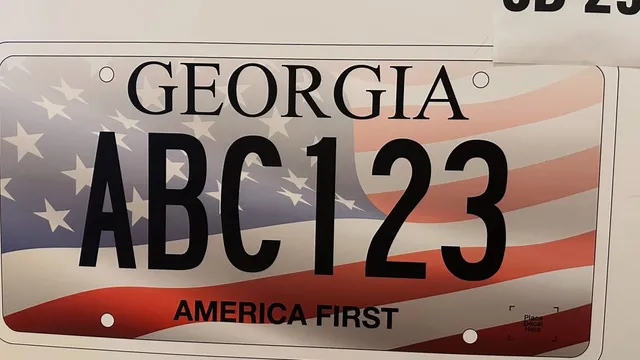
In the United States, new laws introduced at the start of the year bring significant changes across various states. For instance, California has taken a bold step in addressing high prescription drug prices by initiating the sale of state-branded insulin, registering its commitment to public health. This initiative followed nearly three years of planning, including a partnership with the nonprofit organization Civica to offer affordable generic drugs. The new 'CalRx' insulin is priced at a recommended $11 per pen and a maximum of $55 for a five-pack, aiming to ease the financial burden on diabetic patients in the state. Alongside California's healthcare reforms, wage increases are set for many states. Connecticut and California will both see minimum wages rise to around $16.90, while certain cities in Washington will enforce even higher rates like $21.30 in Seattle and $21.65 in Tukwila. Several other states also contribute to this trend, with Missouri and Nebraska joining in with voter-approved measures to elevate their minimum wage to at least $15 per hour. Moreover, Georgia has introduced a new vehicle license plate featuring patriotic designs aligned with President Trump's 'America First' initiative. These non-standard plates come at a premium cost of $90 for the first year, signifying a growing trend toward personalized license plates that reflect political allegiance. This particular plate aims to attract support for Trump's policies while possibly generating additional revenue for the state. Other notable laws include increased regulation of alcohol sales in Utah, which mandates that establishments check ID for every customer, regardless of age, to prevent individuals with alcohol restrictions from obtaining drinks. Additionally, this move aims to enhance public safety by decreasing instances of extreme driving under the influence. As such, these changes mark a notable shift in policy across multiple states, reflecting a broader trend in addressing health, wage, and safety issues in American society.


