
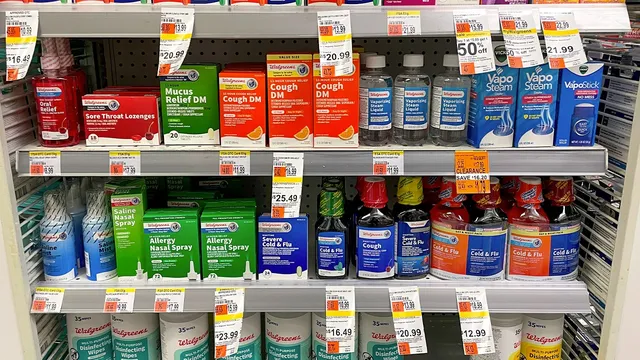
Walgreens recalls nasal spray over contamination concerns
- The FDA announced a recall for Walgreens Saline Nasal Spray due to possible contamination.
- 41,328 bottles are affected, with specific lot numbers and expiration dates.
- Consumers are advised to return the product for a full refund for safety.
Story
In the United States, the Food and Drug Administration (FDA) announced a significant recall involving Walgreens Saline Nasal Spray with Xylitol due to health concerns stemming from possible contamination. This recall affects 41,328 bottles of the product, which are suspected to be contaminated with pseudomonas lactis, a bacterium that can be found in raw milk. The contaminated nasal spray is sold in 1.5-ounce (45 mL) bottles, and consumers are advised to check their products for specific lot numbers and expiration dates. The affected lots are Lot No. 71409, expiring on 2/28/2027, and Lot No. 71861, expiring on 8/31/2027. Walgreens, through a spokesperson, indicated that the recall was initiated out of caution to protect consumer health, emphasizing that the safety of customers remains the top priority. The spokesperson advised consumers not to use the affected products and to return them to the store for a full refund. The recall was classified by the FDA as Class II, which is the second-highest risk level in their classification system. A Class II recall is generally instigated when there is potential for temporary or medically reversible adverse health consequences from using a contaminated product. Reports suggest that the bacteria linked to the contamination may have originated during the production process, although the exact cause of the contamination has not been disclosed by authorities. Consumers should take the recall seriously, as the potential health risks associated with using contaminated nasal spray can be significant. As part of their broader efforts, the FDA and Walgreens hope to mitigate any negative health impacts while recalling the products to ensure public safety. For many consumers using nasal sprays for colds and flu relief, this incident underscores the importance of being aware of product recalls. Additionally, health authorities, including the Centers for Disease Control and Prevention (CDC), recommend that individuals typically get vaccinated against the flu, especially those at higher risk of complications. In light of this recall, it becomes crucial for consumers to remain informed and vigilant about the safety of health-related products they use.
