

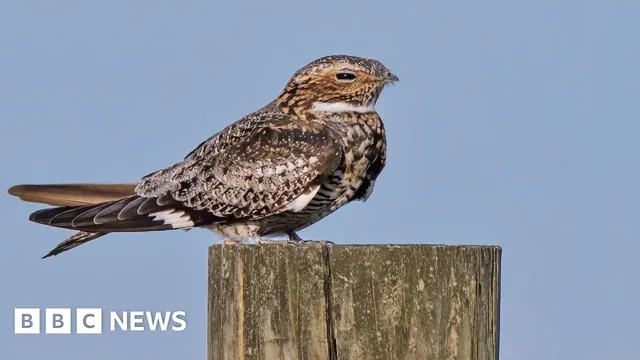
Nightjars make a remarkable comeback in South Downs National Park
Nightjars make a remarkable comeback in South Downs National Park
- An ecological survey in the South Downs National Park revealed 109 nightjar territories, marking the highest count recorded.
- Conservation initiatives have led to a doubling of the nightjar population in the area over the past five years.
- The increase in nightjars highlights the effectiveness of ongoing habitat management and community engagement in protecting wildlife.
Story
In the South Downs National Park, an ecological survey has revealed significant growth in the population of nightjars, a unique bird known for its haunting song at dusk. The survey, conducted recently, reported the presence of 109 nightjar territories in the lowland heaths of east Hampshire. This marks the highest number recorded, highlighting a focal point of conservation efforts that have taken root in the region. In the last year alone, 78 nightjars were accounted for, suggesting a resurgence in numbers that can be attributed to continued conservation and habitat management efforts. The nightjar, classified as an amber species on the Red List for Birds, has faced declining populations, with a shocking 51% drop between 1972 and 1992. This decline was primarily driven by accelerated agricultural practices and urban development that resulted in the loss of critical woodland and heathland habitats. The recovery of the nightjar population is part of a broader success story within the park's ecosystem, where there has been a notable increase in similar species. Woodlarks and Dartford warblers have also been observed experiencing positive population trends, indicating that concerted conservation strategies are having a favorable impact on the biodiversity of the area. As part of conservation efforts, engagement rangers have worked in the landscape to educate and involve local communities in preserving wildlife. These rangers have emphasized the importance of responsible behaviors, advocating for measures such as keeping dogs on leads, picking up waste, and remaining on established pathways to minimize disruption to the delicate habitats where nightjars and various other wildlife thrive. This community engagement has proved essential in cultivating a culture of respect for nature and wildlife within the park. The ecological progress made in the South Downs National Park serves as an inspiring model for conservation initiatives. With the nightjar's resurgence, there is renewed hope for the restoration of lowland heaths, which now comprise only 1% of the national park but are equally vital as rainforests for supporting some of the UK's rarest species. The positive results from the ecological survey not only reflect the hard work invested by conservationists and local partners but also signify a growing commitment to fostering biodiversity that synergizes with community efforts. The ongoing monitoring and adaptive management approaches promise a continuous pathway to further ecological recovery in the region.


